Category: Uncategorized

Laser Eye Surgery Cost in Adelaide’ A Complete Breakdown for 2026 Patients

laser eye surgery cost

Understanding laser eye surgery cost is one of the most important steps for anyone considering vision correction in South Australia. In Adelaide, pricing can vary significantly depending on the clinic, the technology used, and the complexity of your prescription. While advertisements often highlight “from” prices, the real laser eye surgery cost is usually more nuanced once consultations, diagnostics, and aftercare are included.

For patients in Adelaide, the decision is not just about affordability but also about safety, long-term visual outcomes, and choosing the right surgical method. This guide breaks down the full cost structure so you can make an informed decision without unexpected financial surprises.

Average Laser Eye Surgery Cost in Adelaide

In Adelaide, most patients can expect a general price range depending on the procedure type:

● LASIK: AUD $2,500 – $3,500 per eye

● SMILE surgery: AUD $3,000 – $4,500 per eye

● PRK/LASEK: AUD $2,000 – $3,000 per eye

These figures represent base surgical fees and do not always include pre-operative testing or post-operative care.

The variation in laser eye surgery cost is largely driven by the technology used and the surgeon’s experience. Clinics offering femtosecond laser technology or bladeless LASIK tend to charge more, but they often provide faster recovery times and improved precision.

What’s Included in the Cost (and What Isn’t)

One of the most common misunderstandings among patients is the assumption that the advertised price covers everything. In reality, the full laser eye surgery cost in Adelaide typically includes multiple components:

Included

● Initial eye assessment and scans

● Surgical procedure fees

● Standard post-operative check-ups (usually 3–12 months)

● Basic medications (eye drops, antibiotics)

Often NOT included

● Extended follow-up visits beyond the standard period

● Enhancement or correction procedures if vision changes later

● Specialist consultations for complex prescriptions

● Travel or accommodation (if coming from regional SA)

Understanding this breakdown is crucial because it directly affects the true long-term laser eye surgery cost.

Factors That Influence Pricing in Adelaide

Several key factors determine how much you will actually pay:

1. Type of Procedure

SMILE is typically the most expensive due to newer technology, while PRK is usually the most affordable.

2. Surgeon Expertise

Highly experienced refractive surgeons in Adelaide may charge more, but they often deliver more consistent outcomes and lower complication risks.

3. Technology Used

Clinics using advanced excimer or femtosecond lasers tend to charge higher prices.

4. Prescription Complexity

Patients with high astigmatism, thin corneas, or strong prescriptions may require customised procedures, which can increase the total cost of laser eye surgery.

5. Clinic Location and Reputation

Inner-city Adelaide clinics often have higher operational costs, which can reflect in pricing.

Financing Options Available in Adelaide

Many clinics in Adelaide offer payment solutions to make surgery more accessible. These may include:

● Interest-free payment plans (6–24 months)

● Medical financing through third-party lenders

● Early access discounts for upfront payments

While financing does not reduce the actual cost of laser eye surgery, it can make the procedure more manageable by spreading payments over time.

Patients should always check for hidden fees in financing agreements, such as establishment fees or interest after promotional periods end.

Is Laser Eye Surgery Worth the Cost?

From a purely financial perspective, laser eye surgery can often pay for itself over time. Consider the ongoing cost of:

● Prescription glasses (replacement every 1–3 years)

● Contact lenses and solutions

● Eye exams and optical adjustments

Over 10–15 years, many patients find that these recurring expenses exceed the upfront laser eye surgery cost.

Beyond finances, the convenience factor is significant—no glasses fogging, no contact lens maintenance, and improved visual freedom for daily life, sports, and travel.

Risks vs. Value: What Patients Should Consider

While pricing is important, it should not be the only deciding factor. Lower-cost providers may not always offer the same level of technology or follow-up care.

When evaluating laser eye surgery cost in Adelaide, patients should weigh:

● Safety record of the clinic

● Surgeon qualifications

● Post-operative care quality

● Technology and equipment standards

Choosing solely on price can increase the risk of suboptimal results or the need for additional corrective procedures later.

How to Compare Clinics in Adelaide Effectively

To make a fair comparison, request a full written quote from each clinic that includes:

● Total surgical fees per eye

● All included follow-up appointments

● Potential additional charges

● Financing terms (if applicable)

This allows you to compare true laser eye surgery cost rather than just promotional headline prices.

It’s also wise to attend at least two consultations in Adelaide to compare recommendations and assess comfort with the surgeon.

Final Thoughts

The cost of laser eye surgery in Adelaide varies widely depending on the procedure type, the technology used, and individual eye conditions. While average pricing provides a starting point, the real value lies in understanding what is included, the surgeon’s expertise, and the long-term benefits of improved vision.

For many patients, laser eye surgery is not just a medical expense—it is a long-term investment in quality of life, convenience, and visual independence. Making an informed decision ensures that the cost you pay aligns with both your expectations and your long-term eye health outcomes.

Novated Lease’ Pros and Cons Every Australian Should Know

novated lease

A novated lease has become an increasingly popular option for Australians looking to finance a vehicle while enjoying tax and cash-flow benefits. Essentially, a novated lease is a three-way agreement between an employee, their employer, and a finance company, where the employer makes vehicle lease payments directly from the employee’s pre-tax salary. While this arrangement can provide financial advantages, it’s important to thoroughly understand both the pros and cons before committing to a novated lease in Australia.

What is a Novated Lease?

In a typical novated lease setup, the employee selects a car, the finance company leases it, and the employer handles payments through salary packaging. This structure allows for potential income tax savings because lease payments are deducted from pre-tax income. Novated leases in Australia are generally offered for both new and used vehicles, providing flexibility for different budgets. They are particularly appealing to professionals seeking convenience, cost-effectiveness, and full access to a wide range of vehicle options without upfront capital outlay.

Pros of a Novated Lease

1. Tax Efficiency

One notable advantage of a novated lease is its potential for tax savings. Since lease payments are made from pre-tax income, employees can reduce their taxable income, thereby lowering their overall tax liability. This is particularly valuable for higher-income earners in Australia. Additionally, a novated lease may reduce the impact of GST on vehicle purchases, as the lease provider can claim the GST and pass the benefits to the employee.

2. Flexible Vehicle Choice

Australians who opt for a novated lease can choose the car that perfectly suits their lifestyle and budget. Unlike traditional company cars, employees are not restricted to a pre-selected fleet. This flexibility extends to vehicle type, model, and even additional accessories, enabling a tailored driving experience while still enjoying the benefits of a lease.

3. Convenience and Simplicity

Managing vehicle expenses can be time-consuming, but a novated lease simplifies this process. Payments for registration, insurance, maintenance, and fuel can often be included in the lease package, streamlining monthly budgeting. This means less administrative hassle and a clearer understanding of vehicle costs.

4. Potential Cost Savings

For many Australians, novated leases offer financial advantages compared to buying a car outright or taking a standard car loan. Tax benefits, combined with the ability to negotiate fleet discounts through lease providers, can make driving a new vehicle more affordable. Some lease agreements also include maintenance packages, further reducing out-of-pocket expenses.

Cons of a Novated Lease

1. Lease Obligations

While a novated lease offers flexibility, it also comes with obligations. Employees are generally tied to fixed-term contracts, typically ranging from 2 to 5 years. Exiting the lease early can be costly, as break fees and residual payments may apply. Australians should carefully consider their long-term employment stability before committing.

2. Residual Value Risks

At the end of a novated lease, a residual value—essentially the car’s anticipated worth—must be paid to own the vehicle outright. If the car’s market value is lower than expected, employees could face an unexpected financial shortfall. Conversely, paying the residual value might not be feasible for everyone, particularly if budget constraints arise toward the end of the lease term.

3. Limited Tax Benefits for Lower-Income Earners

Although novated leases are tax-effective for higher earners, the benefits for lower-income Australians may be limited. Because lease payments are deducted from pre-tax income, the tax advantage decreases as marginal tax rates drop. Employees should assess whether the lease actually provides financial benefits or whether other financing options are more suitable.

4. Complexity and Understanding

Novated leases involve various terms, conditions, and financial calculations that can be confusing. Employees must understand the full implications, including GST treatment, fringe benefits tax (FBT), and maintenance costs. Failing to fully comprehend these elements may result in unexpected expenses or tax consequences.

Is a Novated Lease Right for You?

Choosing a novated lease in Australia depends on personal circumstances, employment stability, and financial goals. Professionals who value convenience, flexibility, and tax efficiency often find novated leases appealing. However, those with uncertain employment or limited financial knowledge may struggle to navigate the complexities. It is advisable to consult a financial advisor or tax professional before entering into a novated lease agreement.

Conclusion

A novated lease can be a highly effective way for Australians to drive a new or used car with tax and cash-flow advantages. By understanding the pros and cons—including tax efficiency, flexibility, convenience, lease obligations, and residual value risks—employees can make an informed decision that perfectly aligns with their financial situation. While novated leases are not suitable for everyone, they remain a valuable option for many looking to balance cost, convenience, and vehicle choice in Australia.

Silage Wrap’ How Much Do You Really Need’ A Complete Bale Calculation Guide for Australian Farmers

silage wrap

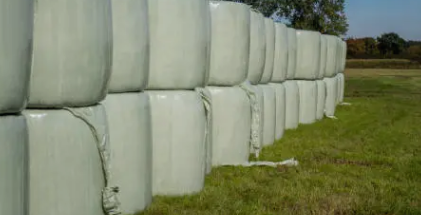
When it comes to preserving forage quality, using the right amount of silage wrap is critical. Too little wrap risks oxygen infiltration and spoilage, while too much unnecessarily increases costs. For Australian farmers dealing with diverse climates—from humid coastal regions to dry inland zones—accurate silage wrap calculations can significantly improve efficiency and profitability. This guide breaks down exactly how to determine the amount of wrap you need per bale and across your entire operation.

Why Accurate Silage Wrap Calculation Matters

Silage preservation relies on creating an airtight environment that promotes anaerobic fermentation. If your silage wrap application is inconsistent, you risk:

● Nutrient loss due to oxygen exposure

● Mould growth and spoilage

● Reduced feed value for livestock

● Increased replacement and labour costs

In Australia’s variable weather conditions, especially during unpredictable harvest seasons, proper wrapping becomes even more important. Wind, temperature, and humidity all affect how well your silage wrap performs in the field.

Key Factors That Affect Silage Wrap Usage

Before calculating quantities, you need to understand the variables that influence how much silage wrap you’ll use:

1. Bale Size and Shape

Round and square bales require different wrapping approaches. Common Australian round bale sizes include:

● 4 ft (1.2 m)

● 5 ft (1.5 m)

● 6 ft (1.8 m)

Larger bales require more film per rotation, increasing total usage.

2. Number of Layers

Most Australian producers use:

● 4 layers for short-term storage

● 6 layers for standard protection

● 8 layers for long-term or high-moisture silage

More layers mean better protection but higher material costs.

3. Film Width and Length

Typical silage wrap rolls in Australia:

● 500 mm or 750 mm width

● 1,500–1,800 metres per roll

Wider films cover more surface area per pass, reducing the total number of rotations.

4. Overlap Percentage

Standard overlap is 50%, meaning each layer overlaps half of the previous one. This ensures airtight sealing but doubles the amount of film used per pass.

Step-by-Step Bale Wrap Calculation

Let’s break down a practical example using a common Australian setup.

Step 1: Determine Bale Circumference

For a 5 ft (1.5 m) round bale:

Circumference ≈ 4.7 m

Step 2: Calculate Film Used Per Rotation

With 50% overlap using 750 mm film:

● Effective coverage per wrap = 0.375 m

● Film per full rotation = 4.7 m

Step 3: Multiply by Number of Layers

For 6 layers:

● Total rotations = 6 × (bale width ÷ effective film width)

● Approximate total film per bale = 20–25 metres

Step 4: Calculate Bales Per Roll

If one roll has 1,500 metres:

● 1,500 ÷ 25 = ~60 bales per roll

This is a general estimate. Actual results vary depending on machine settings and operator consistency.

Practical Rule of Thumb for Australian Farms

To simplify planning, many Australian farmers use these averages:

● 4 layers → 70–75 bales per roll

● 6 layers → 55–65 bales per roll

● 8 layers → 45–50 bales per roll

These figures assume a standard 750 mm wrap and consistent overlap.

Adjusting for Australian Conditions

Australia’s regional differences can impact how much silage wrap you actually need:

Hot and Dry Regions

In inland areas like New South Wales or South Australia:

● UV exposure is higher

● Consider UV-stabilised wrap

● Extra layers may be required for longer storage

Humid Coastal Areas

In Queensland or coastal Victoria:

● Higher moisture increases fermentation risk

● Use at least 6–8 layers for better sealing

High-Wind Zones

Wind can affect wrapping consistency:

● Ensure tight wrapping

● Reduce gaps caused by film stretching or tearing

Using the correct silage wrap strategy in these environments helps avoid costly feed losses.

Cost vs Efficiency: Finding the Balance

It’s tempting to reduce layers to save money, but under-wrapping often leads to higher losses. Consider this:

● Saving 1 layer might reduce wrap costs by 10–15%

● But spoilage losses can exceed 30% if silage is compromised

A better approach is to optimise usage rather than cut corners. High-quality silage wrap, when applied properly, often delivers a better ROI than cheaper alternatives applied poorly.

Tips to Maximise Silage Wrap Efficiency

To get the most out of your silage wrap:

● Calibrate your wrapper regularly to maintain consistent overlap

● Store wrap rolls properly away from sunlight and heat

● Check pre-stretch settings (typically 55–70%) for optimal tension

● Avoid wrapping in extreme heat to prevent film weakening

● Inspect bales after wrapping for holes or loose sections

Small operational improvements can significantly reduce waste and improve silage quality.

Final Thoughts

Calculating how much silage wrap you really need isn’t just about numbers—it’s about protecting your feed investment. By understanding bale size, layer requirements, and environmental factors, Australian farmers can make informed decisions that balance cost and performance.

Whether you’re wrapping a few hundred bales or managing a large-scale operation, accurate planning ensures consistent silage quality and long-term savings. Instead of guessing, use these calculation methods and field-tested benchmarks to optimise your silage wrap usage and get the most value from every roll.

Property Management Christchurch’ Marketing Lifestyle Rentals in Christchurch – Highlighting Location, Culture, and Convenience

property management Christchurch

In today’s competitive rental market, property management Christchurch firms are increasingly focusing on lifestyle-driven marketing strategies. Tenants in Christchurch aren’t just looking for a roof over their heads; they want homes that fit their lifestyle, provide convenience, and reflect the city’s unique culture. For property managers, successfully marketing lifestyle rentals requires emphasising location, showcasing the city’s vibrant culture, and highlighting practical conveniences that enhance day-to-day living.

Emphasising Location: Proximity Matters

Christchurch is a city that beautifully blends urban living with natural surroundings, making location a key selling point for lifestyle rentals. When marketing properties, property managers can attract tenants by highlighting proximity to essential services, schools, recreational facilities, and transport hubs. For instance, rentals near Riccarton or Merivale appeal to young professionals seeking cafés, boutique shops, and quick access to the central business district. Similarly, properties closer to Sumner or New Brighton attract tenants drawn to seaside living and outdoor activities.

Using visually engaging maps, virtual tours, or “neighbourhood guides” can help prospective tenants understand not only where the property is located, but also what the area has to offer. Highlighting local parks, cycling paths, and community centres creates an emotional connection that goes beyond the physical property itself, making lifestyle rentals more appealing.

Showcasing Christchurch’s Unique Culture

Christchurch has a rich cultural scene, blending heritage architecture, art galleries, and modern entertainment hubs. Property managers can leverage this cultural vibrancy in their marketing campaigns to appeal to tenants seeking a community-centric lifestyle. For example, homes near the Christchurch Arts Centre, Re: START Mall, or local artisan markets can be promoted as offering more than just accommodation—they provide access to a dynamic cultural experience.

Marketing campaigns should also spotlight seasonal events and festivals, such as the Christchurch Arts Festival or the New Zealand Cup and Show Week, positioning the rental as part of an active and engaging lifestyle. By connecting properties to the city’s cultural identity, property managers not only attract tenants but also foster a sense of belonging, enhancing tenant satisfaction and retention.

Highlighting Convenience: Lifestyle Meets Functionality

While culture and location draw tenants in, convenience often seals the deal. Lifestyle renters in Christchurch value easy access to public transport, grocery stores, medical facilities, and recreational amenities. Highlighting these practical elements in property listings—through clear descriptions, photographs, and neighbourhood insights—can significantly enhance appeal.

Additionally, modern renters often prioritise tech-friendly features, such as high-speed internet, smart home devices, and energy-efficient appliances. Marketing lifestyle rentals as fully equipped for contemporary living communicates that the property supports both comfort and productivity, making it more competitive in the Christchurch rental market.

Leveraging Digital Marketing Strategies

The modern tenant begins their search online, so a strong digital marketing approach is essential. Property managers in Christchurch should invest in high-quality photography, 3D virtual tours, and engaging social media content to attract attention. Highlighting lifestyle aspects—like nearby cafés, walking trails, or weekend markets—in digital campaigns helps tenants visualise life in the property rather than just the physical space.

Search engine optimisation (SEO) is another vital tool. By optimising property listings with terms such as “lifestyle rentals Christchurch” or “rentals near Riccarton,” managers can ensure their properties appear in relevant online searches. This strategic approach helps attract tenants actively seeking homes that align with their lifestyle preferences.

Building Community: Beyond the Property

Lifestyle-focused tenants often value connection and community. Property managers can enhance marketing efforts by emphasising initiatives such as neighbourhood meetups, communal gardens, or local volunteer opportunities. These initiatives create a sense of belonging and make the rental more attractive to tenants who prioritise community engagement.

Highlighting community-oriented features in listings not only differentiates a property from competitors but also aligns with Christchurch’s ethos of resilience, connection, and cultural pride. Tenants are more likely to commit to properties where they see potential for meaningful engagement both within the home and the wider community.

Conclusion

Marketing lifestyle rentals in Christchurch requires a multifaceted approach that combines location, culture, and convenience. By emphasising proximity to amenities, showcasing the city’s unique cultural offerings, and highlighting practical and modern conveniences, property managers can attract tenants who align with the lifestyle the property offers. In an era where lifestyle matters as much as square footage, property management Christchurch professionals who adopt these strategies position themselves to succeed in a competitive rental market. Ultimately, the key to effective marketing is creating a narrative that helps prospective tenants envision not just a property, but a life they aspire to live in Christchurch.

Custom Home Builder in Adelaide: Key Factors for Your Dream Home

custom home builder Adelaide

Building a custom home is undeniably one of the most significant investments you will make in your lifetime. In Adelaide, SA, bringing your dream home to life requires not only a clear vision but also the expertise of a reliable custom home builder. Selecting the right builder is crucial to ensure your project is executed smoothly, on time, and within budget. This guide examines the notable factors to consider when selecting a custom home builder in Adelaide.


Understanding the Role of a Custom Home Builder

A custom home builder is responsible for turning your unique ideas and requirements into a fully realised home. Unlike pre-designed display homes, a custom home allows for personalisation in layout, finishes, and materials. Your builder will manage the construction process from planning and design to full execution and final handover. Therefore, partnering with a builder who understands your vision and possesses strong project management skills is essential.


Assess Experience and Expertise

Experience matters significantly when selecting a custom home builder. Builders who have worked on multiple projects in Adelaide are familiar with local regulations, zoning requirements, and the availability of material suppliers. Look for a builder who demonstrates expertise in the style of home you envision—be it modern, contemporary, or classic designs. Experienced builders can anticipate challenges and provide practical solutions, ensuring your project progresses efficiently and smoothly.


When evaluating experience, ask for references and visit completed projects. This firsthand insight into their artistry, attention to detail, and design quality can help you gauge whether the builder meets your standards.


Verify Credentials and Licenses

In Adelaide, a reputable custom home builder must hold all the necessary licenses and registrations to fully operate legally. Confirm that the builder has valid licensing from the relevant South Australian authorities. Additionally, inquire about their insurance coverage, including public liability and builder’s warranty insurance. These safeguards protect both you and the builder in the event of unforeseen issues that may arise during the construction process.

Checking credentials also helps ensure the builder complies with industry standards and best practices. A professional builder values transparency and will readily provide this information without hesitation.


Evaluate Communication and Collaboration Skills

Successful home building projects rely heavily on clear and consistent communication. A good custom home builder should be approachable, responsive, and willing to listen to your ideas and suggestions. Evaluate how the builder communicates during the initial consultation—do they clearly explain technical concepts? Are they attentive to your needs?


Collaboration is equally important. Custom homes often involve adjustments to design or materials during construction. A builder who fosters a cooperative relationship, keeps you informed, and addresses concerns promptly can make the experience far less stressful and more enjoyable.


Review Portfolio and Design Flexibility

Every custom home builder has a portfolio showcasing past projects. Reviewing these examples helps you assess their design capabilities, the quality of their finishes, and their versatility in handling different styles. Pay attention to projects that match the size, complexity, or aesthetic of your desired home.


Equally important is design flexibility. Your ideal builder should be able to accommodate changes and offer innovative solutions. Whether it’s optimising space, incorporating sustainable materials, or customising features to suit your lifestyle, a flexible builder can transform your ideas into a practical and beautiful reality.


Consider Budget Transparency and Value

Budgeting is a critical factor in any custom home project. Select a custom home builder that provides transparent and detailed cost estimates and collaborates with you to manage expenses without compromising quality. Avoid builders who provide vague quotes or unexpected additional charges.


A trustworthy builder will strike a balance between cost and value by recommending cost-effective materials, construction techniques, and design modifications that align with your budget. Remember, the cheapest option may not consistently deliver the quality you expect, while the most expensive may not necessarily offer the best value.


Conclusion:

Choosing the right custom home builder in Adelaide, SA, is more than selecting a contractor—it is establishing a partnership that significantly brings your vision to life. By considering experience, credentials, communication, portfolio, budget management, reliability, reputation, and sustainability, you can make an informed decision that safeguards your investment.

Your dream home deserves a builder who values quality, precision, and collaboration. Take the time to research, ask the right questions, and trust your instincts. The result will be a home that reflects your unique lifestyle, built with care and expertise to stand the test of time.

Sensory Toys: The Role of Sensory Toys in Building Cognitive and Motor Skills

Sensory toys have become a vital part of childhood development in Australia, offering more than just fun and entertainment. These tools are intentionally designed to stimulate a child’s senses—touch, sight, sound, smell, and movement—helping to build crucial cognitive and motor skills from an early age. Whether it’s a soft-textured ball, a vibrating teether, or a light-up musical toy, sensory toys play a powerful role in shaping how children learn, react, and interact with the world around them.

What Are Sensory Toys?

sensory toysSensory toys are specially created items that engage one or more of the five senses. These toys can include tactile items (such as textured balls), auditory toys (like rattles or bells), visual toys (like spinning lights), and toys that encourage movement and spatial awareness. By triggering sensory responses, these toys create opportunities for children to explore and process sensory information, laying the foundation for strong cognitive and motor development.

Sensory Toys and Cognitive Development

Cognitive development refers to the way a child learns, thinks, solves problems, and gains an understanding of the world. Sensory toys can significantly enhance this process through hands-on interaction.

  • Stimulates Curiosity and Exploration

Sensory toys promote curiosity by encouraging children to explore new textures, sounds, and visual patterns. This exploration helps children understand cause and effect—for example, when they squeeze a toy and it makes a sound, they begin to learn about their ability to affect their environment.

  • Improves Attention and Focus

Certain sensory toys, such as fidget spinners or weighted lap pads, are known to enhance focus and attention span. These tools can be especially beneficial for children with ADHD or autism, as they offer a calming effect and help them engage more effectively in learning activities.

  • Supports Language Development

As children interact with sensory toys, they are more likely to engage in descriptive language and communication. For instance, a child may describe a toy as “squishy,” “rough,” or “bumpy,” which supports vocabulary building and expressive language skills.

Sensory Toys and Motor Skill Development

Motor skills can be categorised into two main types: fine motor skills (small movements, such as using fingers) and gross motor skills (larger movements, like crawling or jumping). Sensory toys are instrumental in developing both types of skills.

  • Enhancing Fine Motor Skills

Toys that require pinching, grasping, twisting, or button-pushing help children build fine motor coordination. Examples include stacking cups, sensory beads, and buttoning boards. These activities strengthen the small muscles in the hands and fingers, which are essential for writing, self-feeding, and dressing.

  • Boosting Gross Motor Skills

Larger sensory toys, such as balance boards, hop balls, or textured stepping stones, engage core muscle groups and improve balance, coordination, and spatial awareness. These skills are fundamental to everyday tasks, such as walking, running, and climbing.

  • Improving Hand-Eye Coordination

Many sensory toys require simultaneous use of vision and hand movement, helping children develop hand-eye coordination. Activities like threading beads, hitting targets with soft balls, or guiding shapes into matching holes provide excellent practice for this essential skill.

Ideal Age Ranges for Sensory Toys

Sensory toys are suitable for a wide range of ages, from infants to older children:

  • Infants (0–12 months): Toys with high-contrast colours, rattles, and textured teethers help stimulate sensory pathways during early brain development.
  • Toddlers (1–3 years): Interactive toys that involve stacking, sorting, or pulling apart help with both cognitive and motor growth.
  • Preschoolers (3–5 years): More complex toys, such as building blocks, activity cubes, and kinetic sand, support problem-solving, creativity, and muscle control.

Benefits for Children with Special Needs

Sensory toys are especially valuable for children with developmental delays, autism spectrum disorders (ASD), or sensory processing disorders. These toys can help regulate sensory input, reduce anxiety, and encourage meaningful interactions with others. Occupational therapists often incorporate sensory toys into their therapy programs to enhance learning and social skills.

Tips for Choosing the Right Sensory Toys

When selecting sensory toys, consider the child’s age, developmental stage, and specific needs. Look for:

  • Safe, non-toxic materials
  • Age-appropriate complexity
  • Variety in sensory stimulation (touch, sound, sight, movement)
  • Durability and ease of cleaning

Conclusion

Sensory toysdo far more than entertain—they are key tools in helping children build the cognitive and motor skills they need for a lifetime of learning and development. Whether it’s strengthening hand muscles, improving focus, or sparking curiosity, these toys play a critical role in a child’s growth journey. By incorporating sensory toys into everyday playtime, parents and educators can support and enhance a child’s development in fun, engaging, and meaningful ways.

Pallet Freezer Spacers: Enhancing Cold Chain Efficiency with Pallet Freezer Spacers

In the evolving world of cold storage and logistics, maintaining product integrity while reducing operational costs is a primary concern for Australian industries. One innovative yet simple tool playing a critical role in this process is the pallet freezer spacer. These high-performance plastic inserts are revolutionising the way goods are frozen, stored, and transported by enhancing airflow and improving freezing efficiency. Across Australia, businesses in the food processing, pharmaceutical, and cold storage industries are adopting pallet freezer spacers as essential components in their supply chain operations.

The Role of Pallet Freezer Spacers in Cold Chain Logistics

pallet freezer spacersPallet freezer spacers are specially designed interlocking plastic grids placed between layers of boxed or packaged goods on a pallet. Their primary function is to improve airflow around and through the stacked products, which accelerates freezing and cooling times. In Australia’s climate and logistical conditions, where temperatures and transport distances vary widely, this enhanced efficiency is vital.

From seafood processors in Tasmania to meat exporters in Queensland, the demand for reliable and consistent freezing processes is growing. Pallet freezer spacers ensure that cold air reaches all surfaces of the products, reducing the likelihood of uneven freezing, which can compromise food safety and quality. By creating uniform air circulation, these spacers not only preserve product integrity but also shorten freezing cycles and reduce energy consumption.

Why Australian Businesses Are Turning to Pallet Freezer Spacers

Australia’s cold chain infrastructure is highly developed, but it still faces several challenges, especially in remote or regional areas, where logistical delays and energy inefficiencies can have significant impacts. Here’s why pallet freezer spacers are becoming a go-to solution:

Energy Efficiency

Pallet freezer spacers significantly reduce the time and energy required to freeze products. By promoting faster cooling, cold storage facilities can operate shorter cycles, resulting in lower electricity bills—a crucial benefit in Australia, where energy costs can be high.

Product Quality Assurance

In industries such as meat and dairy, where product freshness is crucial, pallet freezer spacers help maintain consistent temperatures. Uneven freezing can lead to bacterial growth or compromised texture and taste. Using spacers helps maintain product standards, particularly for exports that must meet stringent international requirements.

Regulatory Compliance

Australian food safety regulations are among the most stringent in the world. Pallet freezer spacers help businesses meet these standards by minimising contamination risks and maintaining consistent freezing temperatures, which is crucial for HACCP (Hazard Analysis and Critical Control Points) compliance.

Versatility and Reusability

Made from durable food-grade plastic, most pallet freezer spacers used in Australia are reusable and easy to sanitise. This durability makes them ideal for both small-scale producers and large distribution centres, offering a cost-effective and environmentally friendly solution over time.

Industry Applications Across Australia

The use of pallet freezer spacers is not limited to a single sector. Their utility spans a wide range of industries across Australia:

Meat Processing

Australia is a leading exporter of beef and lamb. In meat processing facilities, pallet freezer spacers are indispensable for blast freezing, enabling entire pallet loads to be evenly frozen and stored quickly, thereby helping to meet export demand.

Seafood Industry

Particularly in coastal regions such as Western Australia and South Australia, seafood must be quickly frozen after harvest. Pallet freezer spacers enable rapid freezing, locking in freshness and extending shelf life for both domestic and international markets.

Dairy Products

Products like cheese and butter, which are sensitive to temperature fluctuations, benefit from the controlled freezing environment created by pallet freezer spacers. It ensures consistent product texture and safety throughout storage and transport.

Pharmaceuticals

Cold chain integrity is essential in pharmaceutical logistics. Pallet freezer spacers help maintain consistent temperature exposure for vaccines, biological samples, and other temperature-sensitive products during cold storage and transit.

Conclusion:

Pallet freezer spacers may appear modest in design, but their impact on cold chain logistics in Australia is profound. They enhance freezing efficiency, ensure product integrity, reduce energy costs, and support regulatory compliance. As the demand for faster, safer, and greener supply chains grows, pallet freezer spacers are proving to be indispensable tools for industries across Australia. Whether you’re in the meat processing, seafood, pharmaceutical, or general food distribution industries, investing in high-quality pallet freezer, spacers can make a measurable difference in operational performance and product quality.

Therapy for Dogs with Hip Dysplasia: A Comprehensive Guide

Hip dysplasia is a common orthopedic condition in dogs, particularly affecting large breeds. In Portland, Oregon, pet owners are increasingly turning to holistic therapies to manage this condition, aiming to improve their dogs’ quality of life through natural and integrative approaches. This guide explores various holistic therapy options available in Portland for dogs suffering from hip dysplasia. For more information about holistic therapy for dogs with hip dysplasia, click here.

Understanding Hip Dysplasia in Dogs

holistic therapy for dogs with hip dysplasiaHip dysplasia occurs when the hip joint develops abnormally, leading to joint instability, pain, and arthritis over time. Symptoms may include difficulty rising, reluctance to exercise, lameness, and behavioural changes due to discomfort. Early diagnosis and intervention are crucial for managing the condition effectively.

Holistic Therapy Options in Portland

Acupuncture

Acupuncture, a component of Traditional Chinese Veterinary Medicine, involves inserting fine needles into specific points on the body to stimulate healing. In Portland, clinics like VCA Northwest Veterinary Specialists offer acupuncture services for dogs with musculoskeletal issues, including hip dysplasia. Benefits include:

  • Reduction of inflammation
  • Improved joint mobility
  • Enhanced overall well-being

Sessions are typically tailored to each dog’s needs, with frequency and duration determined by the severity of the condition.

Chiropractic Care

Veterinary chiropractic adjustments focus on aligning the spine and joints to alleviate pain and improve mobility. For dogs with hip dysplasia, chiropractic care can:

  • Reduce compensatory strain on other joints
  • Enhance nervous system function
  • Improve gait and posture. Wikipedia. Lynnwood Animal Hospital

Practitioners in Portland may incorporate chiropractic treatments as part of a comprehensive rehabilitation plan.

Laser Therapy

Cold laser therapy uses low-level lasers to stimulate cellular activity, promoting healing and reducing pain. Portland Veterinary Wellness Centre offers this non-invasive treatment, which can:

  • Decrease inflammation
  • Accelerate tissue repair
  • Provide immediate pain relief

Laser therapy sessions are quick and painless, making them suitable for dogs of all ages.

Hydrotherapy

Hydrotherapy involves controlled aquatic exercises that reduce joint stress while enhancing muscle strength.

Benefits for dogs with hip dysplasia include:

  • Improved range of motion
  • Increased cardiovascular fitness
  • Weight management support, Portland

Facilities in Portland offer hydrotherapy sessions tailored to each dog’s capabilities and rehabilitation goals.

Massage Therapy

Canine massage therapy focuses on manipulating muscles and soft tissues to successfully alleviate pain and improve circulation. All Natural Vet Care in Portland provides massage services that can:

  • Relieve muscle tension
  • Enhance flexibility
  • Promote relaxation

Regular massage sessions can complement other therapies, contributing to a holistic treatment plan.

Nutritional Support and Supplements

A balanced diet and appropriate supplements play a vital role in managing hip dysplasia. Nutraceuticals such as glucosamine, chondroitin sulphate, and omega-3 fatty acids can:

  • Support joint health
  • Reduce inflammation
  • Slow cartilage degradation IVC

Consulting with a veterinarian ensures the selection of high-quality supplements and appropriate dosages.

Integrating Holistic Therapies

Combining multiple holistic therapies can yield synergistic benefits for dogs with hip dysplasia. For instance, integrating acupuncture, chiropractic care, and hydrotherapy may address various aspects of the condition, from pain management to muscle strengthening. A comprehensive approach should be developed in consultation with veterinary professionals to tailor treatments to the individual dog’s needs.

Finding Holistic Veterinary Services in Portland

Portland boasts several veterinary clinics specialising in holistic treatments:

  • VCA Northwest Veterinary Specialists: Offers integrative medicine, including acupuncture and herbal therapy.
  • Portland Veterinary Wellness Centre: Provides laser therapy and other holistic services.
  • All Natural Vet Care: Focuses on massage therapy and natural rehabilitation methods.

When selecting a clinic, consider factors such as the range of services offered, practitioner qualifications, and client testimonials.

Conclusion:

Holistic therapy for dogs with hip dysplasia in Portland, OR, encompasses a variety of natural and integrative treatments aimed at alleviating pain, improving mobility, and enhancing overall well-being. By exploring options like acupuncture, chiropractic care, laser therapy, hydrotherapy, massage, and nutritional support, pet owners can develop a comprehensive, individualised plan to manage their dog’s condition effectively. Consulting with experienced veterinary professionals ensures the selection of appropriate therapies tailored to each dog’s unique needs.

VW Wreckers Adelaide: Top Reasons to Choose Professional VW Wreckers for Your Vehicle Needs

Owning a Volkswagen comes with the promise of German engineering, style, and reliability. However, even the most dependable vehicles reach the end of their road or require repairs that involve expensive parts. That’s where VW wreckers come in. If you’re looking to save money, reduce waste, and obtain genuine Volkswagen parts, working with professional Volkswagen wreckers is a smart move.

In this article, we’ll explore the top reasons why choosing experienced VW wreckers is the best option for your vehicle needs in Adelaide.

1. Affordable Genuine VW Parts

VW wreckers AdelaideOne of the primary reasons to work with VW wreckers is affordability. Buying brand-new parts from a dealership can be costly, especially for older Volkswagen models. VW wreckers dismantle vehicles that are no longer roadworthy and salvage parts that are still in excellent condition.

These parts are genuine, tested, and significantly cheaper than new ones, offering you real value for money without compromising on quality. Whether you need an engine component, gearbox, or electronic module, VW wreckers can supply it at a fraction of the cost.

2. Eco-Friendly Vehicle Recycling

Choosing VW wreckers is not only cost-effective but also environmentally responsible. Instead of sending vehicles to landfills, wreckers recycle and repurpose usable components, reducing waste and pollution. By reusing parts and properly disposing of fluids and materials, VW wreckers contribute to a greener automotive industry.

If you care about reducing your carbon footprint, opting for recycled parts from VW wreckers is a sustainable solution that benefits both you and the planet.

3. Expertise in Volkswagen Models

Professional VW wreckers specialise in Volkswagen vehicles. Their team understands the intricate details and components specific to VW models—from the classic Beetle to the modern Golf, Passat, or Tiguan. This brand-specific expertise ensures that you receive the correct part for your model, along with knowledgeable support.

When dealing with general auto dismantlers, there is a risk of receiving mismatched or incompatible parts. VW wreckers eliminate that risk by focusing exclusively on Volkswagen vehicles, ensuring accuracy and reliability.

4. Convenient and Hassle-Free Service

Many VW wreckers offer services that go beyond supplying spare parts. If you have an old, damaged, or non-running Volkswagen, wreckers can help you dispose of it properly—and often pay you for it. Most provide free towing, on-the-spot quotes, and quick removal, making the process fast and hassle-free.

Rather than leaving your old VW to deteriorate in your driveway, you can turn it into instant cash while clearing up space and helping the environment.

5. Wide Range of Spare Parts

From engines and transmissions to headlights, mirrors, and interior trims, VW wreckers stock a wide range of parts for various models and years. This extensive inventory increases your chances of finding exactly what you need, especially for discontinued or hard-to-find parts.

6. Quality Testing and Warranties

Reputable VW wreckers don’t just pull parts from vehicles and resell them mindlessly. Most conduct quality checks to ensure the parts are in good working condition. Some even offer warranties or return policies, providing you with peace of mind regarding your purchase.

It adds assurance, making buying from VW wreckers a smarter choice than gambling on unverified sellers from online marketplaces.

7. Support for Volkswagen Enthusiasts

Volkswagen has a strong community of enthusiasts who enjoy restoring and modifying their vehicles. VW wreckers are often a goldmine for rare or classic parts that are no longer manufactured. Whether you’re restoring a vintage VW Kombi or upgrading your Golf GTI, wreckers can be an invaluable resource.

8. Supporting the Circular Economy

When you choose VW wreckers, you’re contributing to the circular economy. This system promotes the reuse and recycling of resources to extend product life and reduce the need for new manufacturing. By using recycled auto parts, you’re helping create a more sustainable economy that values conservation and long-term thinking.

Final Thoughts

If you’re looking for affordable, reliable, and eco-friendly solutions for your Volkswagen in Adelaide, working with professional VW wreckers is the way to go. Whether you need a spare part, want to sell your old car, or are restoring a classic VW, wreckers offer an expert service tailored to Volkswagen owners.

Instead of overspending at dealerships or settling for aftermarket parts of uncertain quality, make the smart choice—choose experienced VW wreckers for all your vehicle needs. You’ll save money, protect the environment, and ensure your beloved Volkswagen stays on the road for years to come.

Invest in Gold: The Strategic Value of Investing in Gold

In an unpredictable financial landscape, investors in New Zealand continually seek ways to protect and grow their wealth. While stocks, bonds, and real estate remain popular investment vehicles, one asset continues to shine through economic uncertainty—gold. For centuries, gold has held its status as a reliable store of value. Today, the call to invest in gold is stronger than ever, especially for those looking to diversify their portfolios and secure long-term financial stability.

Why You Should Invest in Gold

invest in goldWhen you choose to invest in gold, you’re securing more than just a valuable metal—you’re obtaining a universally trusted asset known for maintaining its worth even during economic instability. Gold is widely regarded as a “safe haven” because it tends to maintain or increase in value when other investments decline in value. In times of inflation, currency depreciation, or global uncertainty, gold demand—and its market price—usually climbs.

Gold as a Hedge Against Inflation

One of the most compelling reasons to invest in gold is its excellent ability to hedge against inflation. As inflation continues to increase, the purchasing power of the currency declines. However, gold tends to move in the opposite direction. Historical data significantly shows that gold prices often rise when inflation is high, helping investors maintain the real value of their wealth.

Portfolio Diversification: Reduce Risk, Increase Resilience

Smart investors know that diversification is key to a stable portfolio. When you invest in gold, you’re adding a unique asset class that behaves differently from stocks, bonds, and real estate. This lack of correlation means that when traditional markets experience turbulence, gold can serve as a buffer, minimising losses and maintaining portfolio balance.

Gold’s historical performance during market downturns is a testament to its resilience. In times of recession or stock market crashes, gold often appreciates, helping offset losses from other investments. This strategic benefit of gold makes it a vital component in any diversified investment portfolio.

Liquidity and Global Demand

Another reason to invest in gold is its exceptional liquidity. Gold is universally recognised and traded, making it easy to buy or sell anywhere in the world. Whether you’re holding gold coins, bullion, or investing through ETFs, you can convert gold into cash quickly when needed.

Moreover, global demand for gold remains strong. Central banks, jewellery markets, and industrial sectors all contribute to consistent demand, ensuring that gold maintains its relevance and value over time.

Long-Term Security and Wealth Preservation

Gold is not just a short-term hedge—it’s a long-term asset. Investors who invest in gold often do so with the goal of successfully preserving wealth for future generations. Gold has consistently maintained its great purchasing power over centuries, even when currencies have collapsed or economies have undergone significant shifts.

In times of crisis, whether due to political unrest, global pandemics, or economic meltdowns, gold has proven its role as a dependable store of value. Its intrinsic worth, rarity, and universal appeal make it an enduring asset in uncertain times.

Multiple Ways to Invest in Gold

There are several notable ways to invest in gold, depending on your financial goals and risk tolerance:

  • Physical Gold: Coins, bars, and jewellery are popular options for investors who prefer tangible assets.
  • Gold ETFs: Exchange-traded funds that track the price of gold provide a convenient and liquid way to gain exposure without the need to store physical gold.
  • Gold Mining Stocks: Investing in companies that produce gold can provide additional returns, though these carry more market risk.
  • Digital Gold: A modern method that allows you to buy fractional gold units online, often backed by physical reserves.

Each option has its pros and cons, so it’s wise to do thorough research or consult a financial advisor before deciding how to invest in gold.

Final Thoughts: A Strategic Asset for a Secure Future

In an era of economic volatility and financial unpredictability, the decision to invest in gold is both strategic and smart. Gold offers unmatched advantages: it protects against inflation, diversifies portfolios, provides liquidity, and ensures long-term security. Whether you’re a new investor or an experienced one, gold deserves a place in your financial strategy.

By choosing to invest in gold, you’re not just adding another asset to your portfolio—you’re building a shield of stability, resilience, and enduring value. Diversify and prosper with gold as your foundation for financial success.