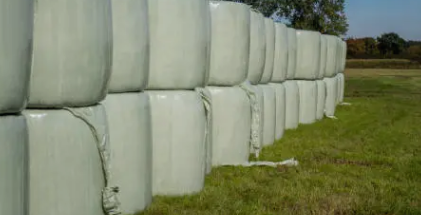
When it comes to preserving forage quality, using the right amount of silage wrap is critical. Too little wrap risks oxygen infiltration and spoilage, while too much unnecessarily increases costs. For Australian farmers dealing with diverse climates—from humid coastal regions to dry inland zones—accurate silage wrap calculations can significantly improve efficiency and profitability. This guide breaks down exactly how to determine the amount of wrap you need per bale and across your entire operation.
Why Accurate Silage Wrap Calculation Matters
Silage preservation relies on creating an airtight environment that promotes anaerobic fermentation. If your silage wrap application is inconsistent, you risk:
● Nutrient loss due to oxygen exposure
● Mould growth and spoilage
● Reduced feed value for livestock
● Increased replacement and labour costs
In Australia’s variable weather conditions, especially during unpredictable harvest seasons, proper wrapping becomes even more important. Wind, temperature, and humidity all affect how well your silage wrap performs in the field.
Key Factors That Affect Silage Wrap Usage
Before calculating quantities, you need to understand the variables that influence how much silage wrap you’ll use:
1. Bale Size and Shape
Round and square bales require different wrapping approaches. Common Australian round bale sizes include:
● 4 ft (1.2 m)
● 5 ft (1.5 m)
● 6 ft (1.8 m)
Larger bales require more film per rotation, increasing total usage.
2. Number of Layers
Most Australian producers use:
● 4 layers for short-term storage
● 6 layers for standard protection
● 8 layers for long-term or high-moisture silage
More layers mean better protection but higher material costs.
3. Film Width and Length
Typical silage wrap rolls in Australia:
● 500 mm or 750 mm width
● 1,500–1,800 metres per roll
Wider films cover more surface area per pass, reducing the total number of rotations.
4. Overlap Percentage
Standard overlap is 50%, meaning each layer overlaps half of the previous one. This ensures airtight sealing but doubles the amount of film used per pass.
Step-by-Step Bale Wrap Calculation
Let’s break down a practical example using a common Australian setup.
Step 1: Determine Bale Circumference
For a 5 ft (1.5 m) round bale:
Circumference ≈ 4.7 m
Step 2: Calculate Film Used Per Rotation
With 50% overlap using 750 mm film:
● Effective coverage per wrap = 0.375 m
● Film per full rotation = 4.7 m
Step 3: Multiply by Number of Layers
For 6 layers:
● Total rotations = 6 × (bale width ÷ effective film width)
● Approximate total film per bale = 20–25 metres
Step 4: Calculate Bales Per Roll
If one roll has 1,500 metres:
● 1,500 ÷ 25 = ~60 bales per roll
This is a general estimate. Actual results vary depending on machine settings and operator consistency.
Practical Rule of Thumb for Australian Farms
To simplify planning, many Australian farmers use these averages:
● 4 layers → 70–75 bales per roll
● 6 layers → 55–65 bales per roll
● 8 layers → 45–50 bales per roll
These figures assume a standard 750 mm wrap and consistent overlap.
Adjusting for Australian Conditions
Australia’s regional differences can impact how much silage wrap you actually need:
Hot and Dry Regions
In inland areas like New South Wales or South Australia:
● UV exposure is higher
● Consider UV-stabilised wrap
● Extra layers may be required for longer storage
Humid Coastal Areas
In Queensland or coastal Victoria:
● Higher moisture increases fermentation risk
● Use at least 6–8 layers for better sealing
High-Wind Zones
Wind can affect wrapping consistency:
● Ensure tight wrapping
● Reduce gaps caused by film stretching or tearing
Using the correct silage wrap strategy in these environments helps avoid costly feed losses.
Cost vs Efficiency: Finding the Balance
It’s tempting to reduce layers to save money, but under-wrapping often leads to higher losses. Consider this:
● Saving 1 layer might reduce wrap costs by 10–15%
● But spoilage losses can exceed 30% if silage is compromised
A better approach is to optimise usage rather than cut corners. High-quality silage wrap, when applied properly, often delivers a better ROI than cheaper alternatives applied poorly.
Tips to Maximise Silage Wrap Efficiency
To get the most out of your silage wrap:
● Calibrate your wrapper regularly to maintain consistent overlap
● Store wrap rolls properly away from sunlight and heat
● Check pre-stretch settings (typically 55–70%) for optimal tension
● Avoid wrapping in extreme heat to prevent film weakening
● Inspect bales after wrapping for holes or loose sections
Small operational improvements can significantly reduce waste and improve silage quality.
Final Thoughts
Calculating how much silage wrap you really need isn’t just about numbers—it’s about protecting your feed investment. By understanding bale size, layer requirements, and environmental factors, Australian farmers can make informed decisions that balance cost and performance.
Whether you’re wrapping a few hundred bales or managing a large-scale operation, accurate planning ensures consistent silage quality and long-term savings. Instead of guessing, use these calculation methods and field-tested benchmarks to optimise your silage wrap usage and get the most value from every roll.