Smile Laser Eye Surgery’ The Eye Procedure Designed Around What Happens After the Surgery

Smile laser eye surgery

The true test of medical innovation may not happen in the operating room. It may be what happens when the patient walks back out into the world.

That idea is particularly interesting when considering Smile laser eye surgery. While vision correction is often discussed in terms of laser technology, surgical precision, and visual outcomes, a procedure’s design can also influence recovery and how easily treatment fits into everyday life.

For people in Adelaide, that broader perspective can be valuable. Life might involve long commutes, office-based work, outdoor activities, weekend trips to the Adelaide Hills or an active routine along the coast. When considering vision correction, the question is therefore not simply, “How does the procedure work?” but also, “How might this approach fit into my life afterwards?”

SMILE, or Small Incision Lenticule Extraction, is a form of laser vision correction that uses a small incision to remove a precisely shaped piece of corneal tissue called a lenticule. Its design offers a different surgical approach to some other forms of laser vision correction, making it worth exploring from the perspective of what happens beyond the treatment room.

The Innovation May Be in What the Procedure Leaves Behind

Traditional conversations about laser eye procedures tend to focus on what technology does to the eye. SMILE introduces another way of thinking about innovation: what the procedure does not require.

Rather than creating a large corneal flap, SMILE uses a small incision through which the lenticule is removed. This difference in surgical approach can be an important part of the conversation for eligible patients.

This does not mean SMILE is automatically superior to every other vision correction option. Different procedures may be appropriate for different eyes, prescriptions and lifestyles. The point is that the design philosophy itself deserves attention.

The most relevant question is not simply which procedure uses the newest technology. It is which approach fits the individual patient’s eyes and goals.

Recovery Is Part of the Procedure—Not an Afterthought

A surgical procedure does not end when the treatment is complete. Recovery is part of the overall patient experience, and this is where the design of a vision correction procedure can become particularly relevant.

For someone living in Adelaide, recovery needs to fit around real-world commitments. A patient may have work responsibilities, family obligations, driving requirements or plans to return to exercise and other activities. Understanding the expected recovery process can therefore be just as important as understanding what happens during treatment.

● The early recovery period matters: Patients should understand what visual changes and sensations may occur immediately after treatment and what their surgeon considers normal.

● Activity restrictions can influence planning: Work, exercise, swimming and other activities may need to be temporarily modified according to professional medical advice.

● Follow-up care remains important: The treatment is not simply a one-day event; post-operative reviews and adherence to aftercare instructions are essential parts of the process.

For those considering Smile laser eye surgery, the appeal may extend beyond the procedure itself. It can also involve how the treatment and recovery process interact with the patient’s daily routine.

However, recovery experiences vary, and patients should never assume that a minimally invasive approach means instant or risk-free recovery. A qualified eye surgeon should explain the likely timeline and individual requirements before treatment.

Designing Vision Correction Around Real Life

The most interesting way to evaluate a vision correction procedure may be to start with life outside the clinic.

Imagine an Adelaide resident who enjoys cycling early in the morning, works at a computer throughout the day and spends weekends exploring South Australia’s outdoor attractions. Their priorities may be different from those of someone whose lifestyle is mostly home-based.

The procedure’s design matters because the patient isn’t simply buying improved eyesight. They are considering how that improvement may interact with everything they want to do afterwards.

● For active people: The ability to exercise without glasses may be an important lifestyle consideration, subject to medical clearance and recovery requirements.

● For professionals: People with demanding work schedules may value understanding how treatment and recovery could affect their ability to return to normal routines.

● For travellers: Reducing dependence on corrective eyewear may be appealing to people who regularly travel, although appropriate post-operative timing and medical advice should always guide travel plans.

This is where Smile laser eye surgery can be viewed through a different lens. Its innovation is not just about the laser technology involved. It is also about a surgical concept that considers the relationship between the procedure, the cornea and the patient’s recovery.

That does not make lifestyle convenience a substitute for clinical suitability. It simply means that the patient experience should be part of the conversation.

The Best Procedure Is the One That Fits the Patient

There is a temptation to compare vision correction procedures as though one technology must inevitably win. In reality, the right choice is more nuanced.

SMILE, LASIK and other forms of vision correction each have specific characteristics, potential benefits, limitations and suitability criteria. The best option depends on factors such as prescription, corneal anatomy, eye health, expectations and lifestyle.

For a prospective patient, a useful consultation should go beyond asking, “Which procedure is newest?”

● Ask about suitability: Find out whether your eye health and corneal characteristics make you a candidate for the procedure.

● Discuss your lifestyle: Tell your surgeon about work, exercise, sports, travel and other activities that may influence your priorities.

● Understand the trade-offs: Ask about expected visual outcomes, recovery, potential complications and alternative treatment options.

For an Adelaide patient, this could mean discussing everything from working at a desk in the CBD to playing sport, exercising outdoors or planning future travel. These details can help ensure the decision is based on the whole person rather than a prescription alone.

The goal is not to choose a procedure because it sounds technologically advanced. It is to choose a treatment strategy that makes clinical sense for your individual circumstances.

Look Beyond the Laser

The most important innovation in vision correction may not be the machine in the treatment room. It may be the thinking behind how the procedure is designed, how it interacts with the cornea and how the patient’s recovery is managed afterwards.

For Adelaide residents exploring Smile laser eye surgery, that makes the decision worth approaching from a broader perspective. Instead of focusing exclusively on how the procedure corrects vision, consider how its surgical design, recovery requirements and potential lifestyle implications fit into your life.

The next step is to arrange a comprehensive assessment with a qualified eye surgeon who can evaluate your eyes and discuss whether SMILE—or another form of vision correction—is appropriate for you. Ask detailed questions about suitability, corneal tissue, recovery, risks, expected outcomes and your individual lifestyle requirements.

The best vision correction decision isn’t necessarily about choosing the most advanced technology. It is about choosing the approach that makes the most sense for the eyes you have—and the life you want to return to after surgery.


Bale Wrap Australia’ Protecting Bales from Ferruginous Gravel Abrasion

bale wrap

Wrapping and storing bales on ironstone-rich gravel can create a hidden risk for Australian farmers. Lateritic and ferruginous soils found around the WA Goldfields and Wheatbelt fringe contain hard, abrasive gravel that can damage the lower layers of film during handling, transport and storage. Choosing the right bale wrap Australia product is therefore only part of the solution.

Wrapping technique, bale placement and site preparation also matter. For producers working across Western Australia’s mixed-farming and pasture regions, understanding how abrasive ground conditions affect agricultural stretch film can help reduce punctures, tears, and unnecessary feed losses.

Why Ferruginous Gravel Damages Bale Wrap

Ferruginous gravel contains iron-rich stones and hardened lateritic material. When a wrapped bale is dropped, rolled or dragged across this surface, individual stones can concentrate pressure against the film.

The bottom layers are particularly exposed. A sharp stone can puncture several layers, while friction from moving a bale across gravel can create a tear that spreads through the film.

This makes high-tear-resistance bale wrap an important consideration for producers handling bales in areas where clean, grass-covered storage sites are not always available.

Choosing Bale Wrap for Abrasive Conditions

Not all agricultural stretch films provide the same balance of puncture resistance, elasticity and tear strength. When buying bale wrap Australia products for challenging storage conditions, consider the film’s mechanical performance and its ability to maintain a tight seal around the bale.

Look for Strong Puncture and Tear Resistance

A robust film should withstand contact with bale edges and stems, as well as incidental impacts during wrapping. High-tear-resistance bale wrap can also help prevent a small puncture from rapidly developing into a larger split during handling.

Other useful characteristics include:

● Consistent film thickness across the roll

● Reliable stretch performance during wrapping

● Good cling between overlapping layers

● Resistance to punctures from rough bale surfaces

● Suitable UV protection for the intended storage period

Film selection should match the baler, wrapper, bale type and expected storage conditions rather than relying on gauge alone.

Reduce Ground Contact During Handling

Even the best film can be damaged by sharp gravel if wrapped bales are repeatedly dragged across the ground. Operators should avoid pulling bales sideways with machinery wherever possible.

Use bale grabs or other handling equipment that supports controlled movement. When placing bales, lower them carefully instead of dropping them onto hard surfaces.

For longer-term storage, consider preparing a dedicated area with a less abrasive base. A firm grassed area, a suitably compacted surface or other site-specific solution can reduce direct contact between the plastic and sharp stones.

Inspect Wrapped Bales Before Storage

A quick inspection after wrapping can identify damage before it becomes a larger problem. Check the lower section of each bale for visible punctures, scuffing and stretched or separated film.

Pay particular attention after loading or relocating bales. If a tear is found, repair it promptly with silage film repair tape designed for agricultural plastic rather than leaving the damaged area exposed.

Good handling practices allow bale wrap Australia products to perform as intended while reducing the chance of oxygen or moisture entering through damaged film.

Storage Planning Matters

Where ferruginous gravel is unavoidable, arrange bales to minimise repeated handling. Moving a wrapped bale several times increases the opportunities for abrasion and puncture.

Keep the storage area free of protruding stones, scrap metal and other sharp debris. Drainage is also important because standing water can complicate bale handling and contribute to poor storage conditions.

Protect Bales from the Ground Up

Ferruginous gravel around the WA Goldfields and Wheatbelt fringe presents a practical challenge, but careful film selection and handling can substantially reduce avoidable damage. Choosing high-tear-resistance bale wrap, limiting dragging, and preparing a suitable storage surface all work together to protect the wrapped bale.

When sourcing bale wrap Australia products for abrasive Western Australian conditions, discuss your bale type, wrapper settings and storage environment with your agricultural film supplier. The right combination can help maintain film integrity from wrapping through storage and eventual feeding.

________________________________________

Frequently Asked Questions

1. Why is ferruginous gravel a problem for bale wrap?

Iron-rich gravel can contain hard, sharp stones that puncture or abrade film, particularly when bales are dropped, dragged or repeatedly moved.

2. What is high tear resistance bale wrap?

It is an agricultural stretch film designed to resist tears spreading after punctures or mechanical stress.

3. Can bale wrap be stored directly on gravel?

Yes, but direct contact with sharp gravel increases the risk of damage. Where practical, prepare a smoother storage surface.

4. How can farmers reduce bale wrap damage?

Use suitable film, avoid dragging bales, remove sharp debris from storage areas and inspect the film after wrapping and handling.

5. Is thicker bale wrap always better for gravel?

Not necessarily. Film thickness is only one factor. Stretch performance, puncture resistance, tear strength and wrapping conditions should all be considered.

House Builder Adelaide’ Understanding the Different Types of House Builders for Your Dream Home

house builder Adelaide

Building a home is one of the most significant investments you will make, which is why choosing the right house builder Adelaide residents trust is essential. Not all builders offer the same services, expertise, or construction approach. Understanding the different types of house builders can help you select the right professional for your budget, lifestyle, and long-term goals.

Whether you are planning a custom luxury residence, a family home in a new estate, or an investment property, knowing the differences between builder types can make the entire process smoother and more successful. In Adelaide’s growing residential market, homeowners have access to a variety of building specialists suited to different needs.

Volume Builders

Volume builders are among the most common types of residential builders in Adelaide. These companies construct a large number of homes each year using standardised designs and processes.

Volume builders typically offer a selection of pre-designed floor plans and home packages that can be customised to some extent. Because they purchase materials in bulk and streamline construction methods, they can often provide cost-effective solutions for homeowners.

Benefits of volume builders include:

● Competitive pricing

● Faster construction timelines

● Proven home designs

● Simplified building process

They are ideal for buyers who want a practical, affordable home without requiring extensive customisation.

Custom Home Builders

For homeowners seeking a unique property tailored to their lifestyle, custom home builders are an excellent option. A custom house builder Adelaide homeowners choose for bespoke projects works closely with clients to create a home from the ground up.

Custom builders offer greater flexibility in:

● Floor plan design

● Architectural style

● Materials and finishes

● Special features and layouts

This approach is particularly popular among Adelaide homeowners building on irregular blocks, sloping sites, or premium locations where standard designs may not be suitable.

Although custom homes generally involve higher costs and longer planning periods, they provide a personalised result that reflects the owner’s vision and needs.

Luxury Home Builders

Luxury home builders specialise in high-end residential construction projects featuring premium materials, sophisticated designs, and exclusive features.

These builders often work with architects, interior designers, and landscape professionals to deliver exceptional homes. Common luxury home features include:

● Designer kitchens

● Home theatres

● Smart home technology

● Resort-style outdoor spaces

● Premium stone and timber finishes

Luxury builders focus heavily on craftsmanship and attention to detail. Adelaide suburbs such as Burnside, Unley, and Glenelg frequently showcase homes built by specialists in this segment.

Project Home Builders

Project home builders occupy a middle ground between volume and custom builders. They provide a range of pre-designed home models while allowing greater flexibility than traditional volume builders.

Homebuyers can often choose from:

● Multiple floor plan configurations

● Facade styles

● Interior upgrades

● Additional rooms and features

A reputable house builder Adelaide families work with for project homes can deliver an attractive balance between affordability and personalisation. This option appeals to homeowners who want more design input without the expense of a fully custom build.

Knockdown Rebuild Specialists

Many Adelaide homeowners love their location but have outgrown their existing home. Knockdown rebuild specialists help solve this challenge by demolishing the current structure and constructing a new home on the same block.

Advantages of this approach include:

● Staying in a preferred neighbourhood

● Avoiding relocation costs

● Maximising land value

● Enjoying a modern, energy-efficient home

Knockdown rebuild projects require specialised knowledge of demolition regulations, site preparation, and council requirements. Builders with experience in this area can manage the entire process from start to finish.

Green and Sustainable Home Builders

Sustainability has become increasingly important in residential construction. Green builders focus on creating environmentally responsible homes that reduce energy consumption and lower utility costs.

Features commonly offered by sustainable builders include:

● Solar energy systems

● High-performance insulation

● Water-saving fixtures

● Energy-efficient windows

● Sustainable building materials

As Adelaide continues to experience warmer temperatures and increasing energy costs, many homeowners are prioritising environmentally friendly design principles. Sustainable builders help create homes that are comfortable, efficient, and future-ready.

Investment Property Builders

Some builders specialise in creating homes designed specifically for property investors. These builders understand the importance of balancing construction costs, rental appeal, and long-term durability.

Investment-focused homes typically feature:

● Functional floor plans

● Low-maintenance finishes

● Cost-effective construction

● Strong rental market appeal

An experienced house builder Adelaide investors rely on can provide valuable insights into local market trends and help maximise return on investment.

Renovation and Extension Builders

Not every homeowner wants to start from scratch. Renovation and extension builders focus on improving existing homes through upgrades, additions, and structural modifications.

Common projects include:

● Second-storey additions

● Kitchen renovations

● Bathroom upgrades

● Home extensions

● Open-plan living conversions

These builders are particularly valuable for homeowners looking to increase property value while preserving the character of an existing home.

Choosing the Right House Builder in Adelaide

Selecting the right builder depends on your goals, budget, and desired level of customisation. Before making a decision, consider:

● The builder’s experience and reputation

● Previous project portfolio

● Licensing and insurance

● Communication style

● Contract transparency

● Construction timelines

Taking time to research different builder types ensures you partner with a professional who aligns with your vision and expectations.

Conclusion

Understanding the different types of house builders is a crucial first step in creating your ideal home. From volume builders and project home specialists to luxury, sustainable, and custom builders, each offers distinct advantages depending on your requirements.

Finding the right house builder Adelaide homeowners trust can make the entire building journey more efficient, enjoyable, and rewarding. By matching your project goals with the appropriate builder type, you can confidently move forward and create a home that meets your needs both today and in the future.

VALD Performance’ Everything You Need to Know

VALD

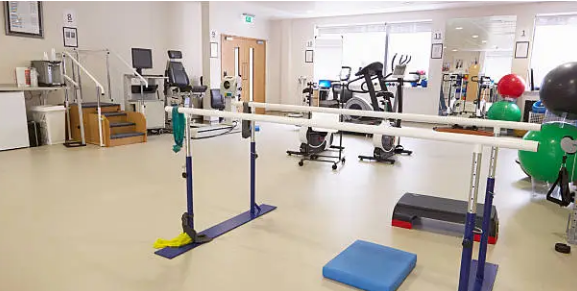
Whether you are an athlete, coach, physiotherapist, or someone working to improve physical performance, objective testing can provide valuable insight into how the body moves and performs. VALD is a technology platform used by health and performance professionals to assess strength, movement, balance, and physical capacity using data-driven testing tools.

For people in Adelaide, SA, VALD performance technology can be particularly useful in sports rehabilitation, injury prevention, and performance programs. Rather than relying only on subjective observations, practitioners can use measurable results to identify weaknesses, track progress, and support more informed decisions about training and rehabilitation.

What Is VALD?

VALD is a global sports technology company that develops hardware and software for human performance assessment. Its systems are used across sports, physiotherapy, rehabilitation, and strength and conditioning.

The platform can collect objective measurements from various physical tests. Depending on the equipment being used, practitioners may assess areas such as:

● Muscular strength and force

● Balance and stability

● Jump and landing performance

● Range of movement

● Grip strength

● Physical asymmetries

● Progress during rehabilitation

The data can then help professionals establish baselines and compare results over time.

How Does VALD Performance Testing Work?

VALD performance testing typically involves specialised assessment equipment connected with digital software. A physiotherapist, strength coach, or other qualified professional selects tests based on the individual’s goals and physical condition.

For example, force-measuring technology can assess how much force someone produces during specific movements. Other systems can analyse jumping, balance, or movement patterns.

Turning Measurements Into Useful Information

Collecting numbers is only part of the process. The real value comes from interpreting those measurements in context.

A practitioner can compare results from an initial assessment with later testing to see whether strength or physical capacity is improving. This can be useful following an injury, during a return-to-sport program, or when monitoring an athlete’s training.

Benefits of VALD for Athletes and Patients

One of the main advantages of VALD technology is its ability to provide objective performance data. This can complement clinical assessments and professional experience.

Potential benefits include:

● Establishing an individual’s performance baseline

● Monitoring changes throughout rehabilitation

● Identifying potential strength differences

● Supporting return-to-sport decisions

● Helping personalise exercise programs

● Giving athletes measurable feedback on progress

Importantly, don’t view test results in isolation. A qualified professional needs to consider symptoms, injury history, training demands, technique, and other relevant factors when interpreting results.

VALD in Adelaide Physiotherapy and Sports Performance

Adelaide has a strong sporting culture, from community clubs to elite-level competition. For local athletes and active people, technology such as VALD can add another layer of measurement to physiotherapy and performance services.

A VALD assessment in Adelaide may suit someone recovering from an injury, preparing to return to competition, or simply wanting a clearer understanding of their physical performance. Testing can also help professionals monitor changes throughout a structured rehabilitation or strength program.

Who Can Benefit?

VALD technology may be relevant to:

1. Athletes seeking performance insights

2. People completing injury rehabilitation

3. Strength and conditioning clients

4. Sporting teams monitoring players

5. Individuals interested in objective physical assessments

Why Objective Testing Matters

Traditional clinical assessments remain important, but objective testing can provide additional information that is difficult to capture through observation alone. Consistent measurements also make it easier to demonstrate changes over time.

However, more data does not automatically mean better decisions. The most useful assessments are those selected for a clear purpose and interpreted by appropriately qualified professionals.

Conclusion

VALD performance technology gives physiotherapists, coaches, and sports professionals a practical way to measure aspects of physical capacity and monitor change. When combined with clinical expertise and an individual’s goals, objective testing can support more personalised rehabilitation and performance strategies.

If you are considering VALD testing in Adelaide, speak with a qualified physiotherapist or performance professional to determine which assessments are appropriate for your needs and how the results can be used to guide your next steps.

—

Frequently Asked Questions

1. What is VALD used for?

VALD collects objective data on strength, balance, movement, and physical performance.

2. Who can use VALD testing?

Physiotherapists, sports professionals, strength and conditioning coaches, and other qualified practitioners can use VALD systems for assessment and monitoring.

3. Can VALD help with injury rehabilitation?

Yes. Objective measurements can help professionals establish baselines and monitor changes during a rehabilitation program.

4. Is VALD only for professional athletes?

No. VALD technology can be relevant to recreational athletes, active individuals, rehabilitation patients, and sporting teams.

5. Where can I get VALD testing in Adelaide?

Some Adelaide physiotherapy and sports performance clinics use VALD technology. Contact a local qualified provider to ask which testing systems and assessments they offer.

Swimming Pool Installation Adelaide’ What Actually Happens During the 7 Days Your Backyard Becomes a Construction Site

swimming pool installation Adelaide

For many Adelaide homeowners, installing a fibreglass pool feels like a major mystery. One day you have a backyard; the next, it’s filled with excavators, tradies, and construction materials. If you’re considering swimming pool installation Adelaide, understanding what happens during the process can make the experience far less daunting. While every project differs depending on site conditions, weather, and council requirements, a typical fibreglass pool installation follows a well-planned sequence that transforms your outdoor space in just a matter of days.

Days 1–2: Site Preparation and Excavation

The excitement begins with site preparation. Before any digging starts, installers confirm measurements, locate underground services, and mark out the pool’s exact position according to the approved design.

During these first two days, you’ll typically see:

● Site setup, including safety barriers and equipment access.

● Excavation, where machinery removes soil to create the pool cavity.

● Levelling and preparation of the foundation to ensure the shell sits perfectly.

In Adelaide, excavation conditions can vary significantly from one suburb to another. Some properties feature sandy soils, while others have reactive clay or rocky ground that may require specialised equipment.

Experienced installers carefully monitor excavation depths and levels because even small inaccuracies can affect the finished installation.

Although this stage is the noisiest, it’s also one of the most important. A properly prepared foundation sets the stage for the entire project.

Days 3–4: Pool Delivery, Placement, and Essential Services

Perhaps the most exciting moment of the installation is watching the fibreglass pool arrive.

Large cranes often lift the pre-manufactured shell over fences or neighbouring structures, then carefully lower it into the prepared excavation. Precision is essential, as installers check alignment and levels before securing the pool.

Once the shell is installed, work quickly shifts to connecting essential infrastructure.

This stage generally includes:

● Plumbing connections for filtration and circulation.

● Electrical work for pumps, lighting, and optional heating systems.

● Progressive backfilling around the shell while simultaneously filling the pool with water to maintain structural balance.

For many homeowners considering swimming pool installation Adelaide, this is when the backyard begins to resemble the finished vision rather than an active construction site.

Professional installers also perform multiple checks during this stage to ensure every pipe, fitting, and connection meets required standards before completing the surrounding areas.

Days 5–6: Fencing, Paving, and Landscaping Bring the Backyard Together

With the pool securely in place, the focus shifts to creating a safe and visually appealing outdoor environment.

Australian safety regulations require compliant pool fencing, making this a critical stage of the project.

Work commonly includes:

● Installing pool fencing and self-closing gates.

● Laying paving, coping, or surrounding concrete.

● Beginning landscaping, garden edging, or turf replacement where required.

This is often when homeowners notice the biggest visual transformation. Construction equipment gradually disappears, replaced by the design features that will define the finished backyard.

Many Adelaide homeowners also choose to install complementary features during this stage, such as:

● Pergolas or shade structures.

● Outdoor kitchens and barbecue areas.

● Decking and feature lighting.

● Irrigation adjustments for surrounding gardens.

Planning these elements alongside the pool installation creates a cohesive outdoor entertaining space rather than adding them later as separate projects.

Day 7: Final Testing, Handover, and Learning How to Care for Your Pool

The final day isn’t simply about packing up tools—it’s about ensuring everything operates correctly and giving homeowners the confidence to enjoy their new investment.

Before handover, installers typically complete:

● Comprehensive equipment testing.

● Water balancing and chemical setup.

● Inspection of plumbing, filtration, pumps, and electrical systems.

● Final cleaning of the worksite.

One of the most valuable parts of swimming pool installation Adelaide is the homeowner handover session.

During this walkthrough, you’ll learn:

● How to operate the filtration system.

● Basic water testing and chemical maintenance.

● Cleaning routines for long-term pool health.

● Safe operation of automation, heating, or lighting systems if installed.

Rather than leaving homeowners to figure everything out on their own, reputable installers provide practical guidance that makes ongoing maintenance much easier.

Many also schedule follow-up support to answer questions that arise during the first few weeks of ownership.

Every Installation Is Different—But Good Planning Makes All the Difference

While a seven-day timeline is typical for many fibreglass pool projects, factors such as weather, difficult site access, custom landscaping, or additional structural work can extend the schedule.

Adelaide properties vary considerably, from compact suburban blocks to larger hills properties with sloping terrain. That’s why experienced installers invest significant time in planning before excavation begins.

Comprehensive planning helps minimise delays by accounting for:

● Site accessibility for machinery and cranes.

● Soil conditions and drainage.

● Council approvals and compliance requirements.

● Integration with existing landscaping and outdoor living areas.

When every stage is carefully coordinated, the installation process becomes more predictable and far less stressful for homeowners.

Conclusion

Watching your backyard become a construction site may seem overwhelming at first, but understanding each stage of the journey helps replace uncertainty with confidence. From excavation and crane placement to plumbing, electrical work, fencing, landscaping, and final handover, every step of swimming pool installation Adelaide is designed to create a safe, durable, and enjoyable outdoor space.

If you’re ready to transform your Adelaide backyard, start by speaking with an experienced fibreglass pool specialist who can explain the installation process, assess your property, and provide a realistic project timeline. With careful planning and professional expertise, you’ll know exactly what to expect—and before long, your construction site will become the centrepiece of your outdoor lifestyle.

Physio Payneham’ Postpartum Abdominal Separation (Diastasis Recti) & Pelvic Health Physio

physio Payneham

Pregnancy and childbirth can change how your abdominal wall and pelvic floor function, even when recovery seems to be going well. One common concern is diastasis recti, where the connective tissue between the abdominal muscles stretches, and the muscles sit further apart.

If you have abdominal weakness, pelvic discomfort, leakage, or difficulty returning to exercise, seeing a qualified physio can provide personalised guidance. In Payneham, SA, a pelvic health assessment can help identify what your body needs after pregnancy and create a safe, progressive plan to rebuild strength, coordination, and confidence.

What Is Diastasis Recti?

Diastasis recti, also called abdominal separation, occurs when the two sides of the rectus abdominis move further apart as the abdominal wall stretches during pregnancy. Some separation is common during pregnancy and the early postnatal period, and the abdominal wall may gradually change as tissues recover.

You may notice:

● A visible bulge or “doming” along the middle of your abdomen

● Reduced abdominal strength or control

● Difficulty engaging your core effectively

● Lower back or pelvic discomfort

● Changes in how you lift, bend or exercise

The size of the gap is not the only consideration. A womens health physio will also assess how your abdominal wall functions during movement, breathing and everyday activities.

How Physio Can Support Postpartum Recovery

A postnatal physio assessment looks beyond the appearance of your stomach. Your clinician may assess abdominal wall function, pelvic floor muscle contraction and relaxation, posture, breathing patterns and movement strategies. Treatment can then be tailored to your symptoms, stage of recovery and personal goals.

Rather than prescribing the same exercises to every new mother, a pelvic health clinician can gradually progress your program. This may include deep abdominal activation, functional strengthening, pelvic floor exercises, and guidance on safely returning to activities such as walking, gym training, or running.

Understanding the Pelvic Floor Connection

Your abdominal muscles and pelvic floor form part of your body’s core support system. Pregnancy and birth can affect pelvic floor function, potentially contributing to symptoms such as urinary leakage, bowel difficulties, pelvic pressure or discomfort.

This is where postpartum pelvic floor rehab can be valuable. A qualified clinician can check whether your pelvic floor muscles need strengthening, improved coordination or better relaxation. Supervised pelvic floor training should be individualised, not based on a one-size-fits-all routine.

When Should You Seek Help?

You do not need to wait until symptoms become severe. Consider booking an assessment if you notice:

● Persistent abdominal weakness or visible doming

● Urinary or bowel leakage

● Pelvic heaviness or pressure

● Pain during exercise or daily activities

● Ongoing pelvic, hip or lower back pain

● Difficulty returning to your previous level of physical activity

A physio can also provide practical advice on lifting your baby, getting out of bed, progressing your exercise, and managing movements that increase abdominal pressure.

Rebuilding Strength Safely in Payneham

Postpartum recovery is not about rushing back to your pre-pregnancy body. It is about restoring function progressively and giving healing tissues time to adapt. Local women in Payneham and surrounding Adelaide suburbs can seek an experienced womens health physio for assessment and individualised physical rehabilitation.

If abdominal separation or pelvic floor symptoms are affecting your confidence or daily life, professional guidance can make your recovery more structured and manageable.

Take the Next Step

You do not have to “wait and see” whether postpartum abdominal or pelvic symptoms improve. Book an assessment with a qualified physio in Payneham, SA, discuss your concerns and receive a personalised recovery plan designed around your body, symptoms and goals.

Conclusion

Diastasis recti can be a normal part of pregnancy and early postpartum recovery, but persistent weakness, pain, pelvic floor symptoms or difficulty returning to activity deserve attention. With appropriate assessment and progressive postpartum pelvic floor rehab, physiotherapy can help you rebuild core and pelvic function safely and confidently.

—

Frequently Asked Questions

1. What is diastasis recti?

Diastasis recti is a widening and thinning of the connective tissue between the abdominal muscles, commonly occurring as the abdomen stretches during pregnancy.

2. Can physiotherapy help with abdominal separation?

Yes. A qualified physio can assess abdominal wall function and prescribe an individualised exercise and movement program to improve strength and control.

3. When should I start postpartum pelvic floor rehab?

The appropriate timing depends on your delivery, healing and symptoms. A pelvic health clinician can help determine when and how to begin or progress rehabilitation.

4. Do I need physio if I have no pain?

Not necessarily, but an assessment can still be useful if you notice weakness, abdominal doming, leakage, pelvic pressure or difficulty returning to exercise.

5. Can I exercise with diastasis recti?

Many women can return to exercise progressively, but activities that cause pain or pronounced abdominal bulging may need modification. A qualified physio can guide your progression safely.

Stockinette bags in Australia’ The Complete Guide to Produce Packaging, Sizing, and Wholesale Sourcing

stockinette bags

Stockinette bags are a widely used packaging solution across Australia’s agriculture, horticulture, and retail supply chains, especially for onions, citrus, potatoes, and shellfish. As demand for efficient, breathable, and cost-effective packaging continues to grow, stockinette bags have become a practical standard for both large-scale producers and small farm operators seeking to maintain product freshness during transport and storage.

In Australia’s competitive fresh produce market, packaging plays a crucial role not only in preservation but also in branding and logistics efficiency. Understanding how these mesh-based bags work, where to source them, and how to select the right specifications can significantly improve supply chain outcomes for growers and distributors.

What Stockinette Bags Are and Why They Matter in Australia

In simple terms, stockinette bags are tubular mesh bags made from knitted polypropylene or similar synthetic fibres. Their breathable structure allows air circulation while still securely containing bulk produce.

In Australia, they are particularly valued in regions with strong agricultural output such as Victoria, New South Wales, and Queensland, where growers need durable packaging that withstands long-distance transport and variable climate conditions. At this stage of the supply chain, stockinette bags are often preferred over solid plastic packaging because they reduce moisture buildup and help prevent premature spoilage of fresh goods.

Their lightweight nature also reduces freight costs, which is a key consideration for exporters shipping produce from Australia to Asian and Middle Eastern markets.

Key Benefits for Agricultural and Retail Use

One of the main advantages of stockinette packaging is its balance between strength and ventilation. Unlike sealed plastic bags, the mesh structure allows natural airflow, which is essential for preventing heat accumulation in bulk storage.

Another benefit is flexibility in sizing. Stockinette bags can accommodate small retail portions or large commercial loads depending on the weave density and diameter. Many Australian wholesalers also prefer them because they are cost-effective when purchased in bulk.

In addition, they are easy to label or clip-seal, making sorting and distribution more efficient in large packing facilities. These operational advantages explain why stockinette bags continue to be a staple in both domestic produce markets and export supply chains.

Common Uses Across Australian Industries

Stockinette bags are not limited to agriculture alone. While fresh produce remains the primary application, they are also widely used in seafood processing, firewood packaging, and even hardware distribution.

In the seafood industry around coastal Australia, the mesh design allows live shellfish, such as mussels and oysters, to remain aerated during transport. In rural areas, firewood suppliers use them for convenient bundling and resale.

Because of this versatility, stockinette bags have become a multi-industry packaging solution rather than a niche agricultural product. Their adaptability across sectors has increased demand among packaging distributors and wholesale suppliers nationwide.

Sizing, Materials, and Customisation Options

Choosing the correct size is critical for efficiency. In Australia, stockinette bags typically range from small 2–5 kg retail sizes to larger 20–25 kg bulk formats.

Material choice is equally important. Most suppliers use high-density polypropylene for durability, but variations exist depending on UV resistance requirements and load strength. Some exporters opt for reinforced stitching or double-layer mesh when dealing with heavier goods.

Customisation is also widely available. Businesses can request colour-coded bags, printed branding, or drawstring closures for easier handling. These options are especially useful for companies looking to improve product visibility in competitive retail environments.

Where to Source Stockinette Bags in Australia

Australian businesses typically source stockinette packaging from agricultural supply companies, wholesale packaging distributors, and importers specialising in industrial packaging materials.

Major agricultural regions such as Melbourne’s wholesale markets, Sydney produce hubs, and Brisbane distribution centres often have local suppliers offering both standard and custom orders.

Online B2B platforms have also become a popular procurement channel, enabling farms and distributors to quickly compare pricing and specifications. As logistics become more digitised, sourcing stockinette bags through online wholesale suppliers has become increasingly efficient for rural and regional operators.

Sustainability and Industry Trends

Sustainability is becoming a major focus in Australian packaging decisions. While traditional plastic-based mesh materials are still widely used, there is growing interest in recyclable and lower-impact alternatives.

Some suppliers now offer recyclable polypropylene options or bags designed for multiple reuse cycles, reducing overall environmental footprint. This shift aligns with broader Australian packaging regulations encouraging waste reduction and improved recyclability.

As retailers and exporters face stricter environmental expectations, stockinette bags are evolving to meet both performance and sustainability standards without sacrificing durability or cost efficiency.

Practical Buying Tips for Businesses

When purchasing stockinette packaging, businesses should first assess their load requirements, including weight, product type, and transport distance. Over-specifying strength can unnecessarily increase costs, while under-specifying may lead to product loss.

It is also important to consider supplier reliability, particularly for exporters who need consistent stock availability. Establishing long-term agreements with trusted distributors can help stabilise pricing and ensure uninterrupted supply.

Finally, always test sample batches before committing to bulk orders, as mesh density and material strength can vary between manufacturers.

Conclusion

The demand for flexible, breathable, and cost-efficient packaging continues to drive the widespread use of stockinette-based solutions across Australian industries. From agriculture to seafood and beyond, these mesh bags offer a reliable balance of functionality and affordability.

As supply chains become more efficiency-driven and sustainability-focused, stockinette bags are expected to remain a core packaging solution for businesses seeking practical and scalable options for bulk product handling.

Banquette Seating’ The Dining Room Upgrade That Could Quietly Change How Your Family Uses the Whole House

banquette seating

What if the reason your family rarely eats together isn’t the food, the schedule, or even the size of your kitchen—but the furniture? In Adelaide homes, where open-plan kitchens and living areas are increasingly central to daily life, banquette seating can do more than solve an awkward corner. It can subtly change where people sit, how long they stay, and how they interact with the rest of the house.

Unlike a conventional dining table surrounded by individual chairs, a built-in or freestanding banquette can transform an overlooked nook into a destination. Suddenly, the kitchen becomes the place where homework happens, coffee is enjoyed, conversations continue after dinner, and weekend breakfasts stretch well into the morning.

The surprising part is that this furniture upgrade may influence your family’s behaviour far beyond the dining area.

The Dining Nook That Becomes the Household’s New Headquarters

A dining table often has a single purpose: eating. A well-designed banquette, however, can make the same footprint considerably more versatile.

This is particularly relevant to Adelaide households where space needs to work harder. Whether you live in a compact character home in Norwood, a renovated bungalow in Unley, or a contemporary property in the western suburbs, an underused corner can become one of the most valuable areas in the house.

● It creates a natural gathering point: A comfortable bench encourages people to linger instead of immediately leaving the table after a meal.

● It supports multiple daily activities: The same seating area can accommodate breakfast, laptop work, children’s homework, reading, or casual conversations.

● It makes awkward spaces useful: Corners, bay windows, and narrow kitchen edges can often be transformed into functional zones rather than wasted space.

Imagine a family that used to eat dinner separately. One person sat at the island, another ate in front of the television, and the children rushed through meals. After redesigning an unused kitchen corner with a generous banquette and compact table, the family suddenly had a more inviting place to gather.

The furniture did not force anyone to change their habits. It simply made the desired behaviour easier.

Why Comfort Can Change How Your Family Connects

A dining area that feels temporary differs psychologically from one that feels deliberately designed. When people are comfortable, they are more likely to stay.

This is where banquette seating becomes more than an interior kitchen design trend. With the right upholstery, cushioning, back support, and dimensions, a banquette can make the dining environment feel more like a lounge than a formal dining area.

That distinction matters in busy Adelaide households.

● Longer meals can encourage conversation: A comfortable setting may make family dinners feel less like a task and more like shared downtime.

● Children gain a flexible activity zone: The dining nook can become a place for drawing, reading, board games, or schoolwork between meals.

● Guests naturally gather in one area: Instead of conversations becoming fragmented across the kitchen and living room, the dining zone can become a social anchor.

The design also creates an interesting visual effect. A banquette can make a dining space feel more integrated with the architecture, particularly when it follows a wall or wraps around a corner.

Instead of looking like furniture placed in a room, it can look like part of the room itself.

The Adelaide Climate Makes Material Choices Matter

A beautiful dining nook is only successful if it survives real life. Adelaide’s hot summers, bright sunlight, and busy household routines mean you should treat material selection as a practical decision, not an afterthought.

For homes with strong afternoon sun, consider how direct light may affect upholstery and finishes over time. A window-side dining nook can look spectacular, but select fabrics and colours with sunlight exposure in mind.

● Choose durable upholstery: Look for fabrics that can withstand regular use, particularly if children or pets are part of the household.

● Consider cleanability: Removable covers, stain-resistant treatments, and practical fabric choices can make everyday maintenance considerably easier.

● Think about ventilation and placement: Avoid creating a seating arrangement that traps excessive heat near sunny windows during Adelaide’s warmer months.

The ideal design should also account for how people actually move through the kitchen. A visually impressive banquette that blocks a walkway or interferes with cupboard doors will quickly become frustrating.

Before committing to dimensions, measure the table, seating depth, legroom, and circulation paths. The goal is not simply to fit more people into a smaller footprint. It is to create a space that feels effortless to use.

The Hidden Opportunity: Designing for the Life You Want

The most unconventional benefit of banquette seating is that it can encourage homeowners to think differently about their entire floor plan.

Instead of asking, “How can I fit a dining table here?” consider asking, “What do I want my family to do here?”

That change in perspective can lead to surprisingly different decisions.

● If you want more family interaction, position the seating so it visually connects with the kitchen or main living space.

● If you work from home: Incorporate a durable surface and accessible power points so the area can double as a casual workstation.

● If you entertain frequently: Consider an L-shaped or U-shaped arrangement that maximises seating without requiring a large dining footprint.

The result could be a dining area that does far more than accommodate meals. It might become the place where teenagers do assignments, parents answer emails, friends share a bottle of wine, or everyone gathers for Sunday lunch.

The furniture becomes a quiet piece of behavioural architecture.

The Small Furniture Decision With a Bigger Impact

For Adelaide homeowners, the appeal of banquette seating is not simply about saving floor space or creating a stylish kitchen. Its real potential lies in changing how a household interacts with its environment.

A forgotten corner can become a gathering place. A formal dining area can become a homework station. A kitchen can become the home’s true social centre.

The next step is to look at your own house with fresh eyes. Identify the space your family currently avoids or underuses, then measure it carefully and consider what you want to do with it. Before choosing fabrics or finishes, talk to a professional designer, cabinetmaker, or upholstery specialist about the dimensions, materials, and construction that will suit your lifestyle.

The best dining upgrade may not be the one that makes your home look dramatically different. It may be the one that quietly makes everyone want to spend more time in it.