Net Replacement Film Australia’ Why More Farmers Are Switching for Better Bale Protection

net replacement film

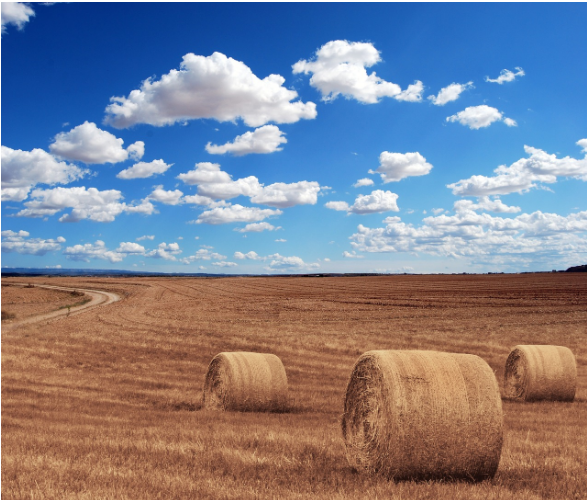
Australian farmers are constantly looking for smarter ways to improve forage quality, reduce waste, and increase operational efficiency. One solution gaining attention across the agricultural sector is net replacement film. Designed to replace traditional net wrap during baling, this innovative material offers stronger bale sealing, improved silage preservation, and easier recycling processes.

As climate conditions across Australia vary from region to region, choosing the right wrapping solution can significantly improve feed quality and storage longevity. From dairy farms in Victoria to large-scale cattle operations in Queensland, many producers are now evaluating whether net replacement film is the better long-term option.

What Is Net Replacement Film?

Net replacement film is a specialised plastic film used in round balers instead of conventional net wrap. Unlike traditional netting, the film becomes part of the silage wrapping system, creating a more consistent oxygen barrier around the bale.

This technology is designed to work alongside modern baling equipment and stretch film systems. By eliminating the gaps commonly associated with net wrap, farmers can achieve tighter bale formation and improved silage fermentation.

In Australia’s harsh farming environments, where UV exposure and changing weather conditions can quickly affect stored feed, reliable bale protection is essential. That is why net replacement film is increasingly being viewed as a practical upgrade rather than a niche product.

Why Australian Farmers Are Adopting Net Replacement Film

One of the main reasons Australian producers are adopting net replacement film is its ability to improve forage preservation. Oxygen infiltration is one of the leading causes of silage spoilage, and traditional netting can allow small air pockets to form during storage.

By using film instead of net wrap, bales achieve a smoother surface, allowing outer stretch film layers to adhere more effectively. This results in better sealing performance and reduced dry matter loss.

Another major advantage is waste management. Recycling agricultural plastics can be challenging, especially when different materials are mixed together. Since net replacement film is compatible with silage wrap materials, the recycling process becomes simpler and more efficient.

For farms focused on sustainability and operational efficiency, this can significantly reduce disposal complications.

Improved Feed Quality and Livestock Performance

Feed quality directly impacts livestock productivity. Poorly preserved silage can lead to nutritional losses, mould development, and reduced palatability.

Using net replacement film helps maintain more stable fermentation conditions by limiting oxygen exposure. Better fermentation often results in higher nutrient retention, supporting healthier livestock and improved production outcomes.

Australian dairy operations, in particular, benefit from high-quality silage during dry seasons when pasture availability becomes limited. Consistent bale preservation can help farmers maintain reliable feed supplies throughout the year.

Beef producers also value the reduced spoilage rates associated with film-based wrapping systems, especially when storing large bale volumes for extended periods.

Performance in Australian Climate Conditions

Australia presents unique agricultural challenges. Farms in Western Australia may deal with dry heat and dust, while operations in Tasmania face cooler, wetter conditions.

Net replacement film performs well across diverse climates because it contributes to stronger bale integrity and enhanced moisture protection. The tighter film surface also helps reduce water penetration during heavy rain events.

UV stability is another important consideration. Many modern agricultural films are engineered to withstand prolonged exposure to sunlight, which is essential for outdoor bale storage in Australia.

Farmers who invest in premium-grade wrapping materials often experience lower spoilage rates and better overall storage performance than with traditional net systems.

Equipment Compatibility and Efficiency

Many modern balers used across Australia are already compatible with net replacement film systems or can be adapted with minimal modifications. Manufacturers continue developing equipment specifically designed to optimise film application during baling.

Operational efficiency is another reason why adoption rates are increasing. Film-wrapped bales often maintain more uniform shapes, making handling, stacking, and transport easier.

Additionally, because the film integrates more effectively into the wrapping process, operators may reduce the number of stretch film layers required to achieve adequate sealing performance. Over time, this can contribute to material savings and lower storage losses.

Before switching systems, however, farmers should always verify equipment compatibility with their baler supplier or agricultural dealer.

Environmental Benefits of Net Replacement Film

Sustainability is becoming a larger focus within Australian agriculture. Reducing waste contamination and improving recyclability are important goals for many farming businesses.

Traditional net wrap can be difficult to separate from silage plastic during disposal. In contrast, net replacement film allows for a more streamlined recycling process because the bale materials are more compatible.

This simplified waste handling process helps reduce labour requirements and supports cleaner agricultural plastic collection programs.

As environmental regulations and sustainability initiatives continue evolving across Australia, many producers see net replacement film as a proactive investment in future-ready farming practices.

Choosing the Right Net Replacement Film Supplier

Not all agricultural films are manufactured to the same standards. Australian farmers should evaluate several factors before selecting a supplier, including:

● UV resistance ratings

● Film strength and puncture resistance

● Compatibility with existing machinery

● Technical support availability

● Recycling program participation

● Performance in local climate conditions

Working with an experienced agricultural packaging supplier can help ensure the product performs effectively under Australian farming conditions.

It is also beneficial to compare trial results, independent product testing, and feedback from other producers within the same agricultural sector.

The Future of Bale Wrapping in Australia

As farming technology continues to evolve, more producers are expected to transition toward advanced wrapping solutions that improve feed preservation and reduce waste.

The growing popularity of net replacement film reflects a broader shift toward efficiency, sustainability, and higher-quality forage management. Australian farmers are increasingly seeking products that deliver both operational and environmental benefits without compromising performance.

For producers looking to minimise silage losses, improve bale integrity, and simplify recycling processes, net replacement film is quickly becoming a preferred alternative to traditional net wrap systems.

With continued innovation in agricultural plastics and baling equipment, the role of film-based wrapping solutions across Australia is likely to expand even further in the years ahead.

Mens Shoes for Golf in New Zealand’ Top Picks for Kiwi Golfers

mens shoes

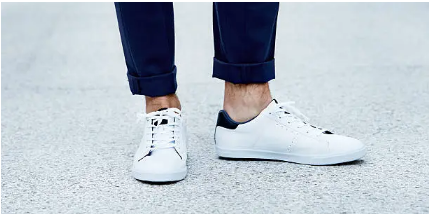
New Zealand is home to some of the world’s most picturesque and challenging golf courses, from the windswept links of the North Island to the lush, hilly fairways of the South Island. For golfers navigating these diverse terrains, selecting the right mens shoes is essential. The proper footwear enhances comfort, stability, and performance, ensuring every swing is supported and every step is confident. In this guide, we will explore the key factors Kiwi golfers should consider when choosing golf shoes and highlight the best options available in New Zealand.

Understanding the Unique New Zealand Golfing Environment

Golfers in New Zealand face a wide range of conditions. Coastal courses often experience strong winds and morning dew, while inland and southern courses may have wetter, softer fairways, particularly in winter. Because of this variety:

Waterproofing matters. Wet grass and rain are common, so shoes with waterproof materials or membranes are essential to keep feet dry throughout the round.

Traction is critical. Uneven terrain, damp fairways, and slopes require footwear with a reliable grip to maintain stability during swings.

Comfort is key. Many courses in New Zealand encourage walking, meaning golfers often cover several kilometres in a single round. Proper cushioning and support reduce fatigue and help maintain focus.

By understanding the local environment, golfers can choose mens shoes that not only fit well but also perform in all conditions.

Key Features Kiwi Golfers Should Prioritise

1. Waterproofing and Weather Resistance

One of the most important features of golf shoes in New Zealand is waterproofing. Shoes with waterproof membranes or water-resistant leather help keep feet dry in damp conditions. On rainy days or dew-laden mornings, dry feet contribute to comfort and confidence, allowing golfers to focus on their game rather than discomfort.

2. Traction and Stability

Whether opting for spiked or spikeless designs, traction is crucial for maintaining balance on wet, sloping, or uneven terrain. Many modern golf shoes feature specialised grip patterns or twist-grip systems to optimise stability. Spiked shoes provide excellent traction in soft conditions, while spikeless designs offer versatility and comfort for firmer courses.

3. Fit, Comfort, and Support

Walking 18 holes demands footwear that supports the foot across different surfaces. Cushioning, arch support, and a secure fit help reduce fatigue and prevent discomfort over extended periods. Golfers should consider lightweight options that allow natural movement while providing stability during swings.

4. Adaptability to Local Terrain

New Zealand courses vary widely, from firm coastal links to soft inland parklands. For firmer courses, spikeless shoes may suffice, offering comfort and versatility. For wetter courses, cleated designs with aggressive traction patterns are recommended to prevent slipping and maximise performance.

Top Mens Shoes for New Zealand Golfers

Here are some of the best golf shoes suitable for Kiwi golfers, combining comfort, traction, and waterproofing:

Adidas Men’s S2G 24 Leather Spikeless Golf Shoes: These shoes combine premium leather with a spikeless design, offering waterproofing and comfort ideal for mixed NZ conditions.

Nike Infinity G Golf Shoes: Advanced cushioning and traction make these shoes ideal for golfers who prioritise fit and modern design.

New Balance Golf Shoes: Known for comfort and support, these shoes are reliable for long rounds and consistent performance.

Under Armour Curry 1 Men’s Golf Shoes: Performance-oriented shoes that provide a tour-level feel with excellent stability and comfort.

Cole Haan GrandPrø Crossover Waterproof Golf Shoes: Stylish and versatile, these shoes function well both on the course and in casual settings, offering waterproof protection.

J.Lindeberg Vent 500 Golf Shoes: High-performance footwear combining premium design with functional features suitable for all conditions.

Puma Helsinki G Spikeless Golf Shoes: Affordable and durable, providing solid traction and comfort for everyday play.

Nike Free Golf Sneakers Men: Casual golf sneakers ideal for dry conditions or social rounds, offering comfort with a lighter footprint.

Choosing the Right Pair for Your Game

When selecting golf shoes in New Zealand, golfers should consider the following:

Course conditions: If you frequently play on coastal or wet courses, prioritise waterproof, spiked shoes. For firm, inland courses, spikeless designs may suffice.

Foot type and comfort needs: Make sure shoes provide adequate arch support and cushioning. Consider trying multiple sizes and widths to find the best fit.

Durability and materials: High-quality leather or synthetic materials enhance the longevity of your shoes, ensuring optimal performance over time.

Style preferences: While functionality is key, many golfers also appreciate shoes that transition well from the course to casual wear.

Final Thoughts

Investing in the right pair of mens shoes can transform your golfing experience in New Zealand. Proper footwear enhances stability, comfort, and confidence, enabling golfers to concentrate on their game rather than their feet. Prioritise waterproofing, traction, and support, and choose shoes suited to the specific courses and conditions you encounter.

Whether playing a breezy North Island link or a wet South Island parkland, the right golf shoes will help you perform your best. By selecting footwear tailored to New Zealand’s unique golfing environment, Kiwi golfers can enjoy every round in comfort and style.