In Adelaide, where daily driving often means navigating dense city traffic, stop-and-go conditions, and fluctuating weather, brake systems endure more than their fair share of stress. Whether it’s the constant braking along South Road or the steep descents of the Adelaide Hills, local conditions can take a toll on even the most well-maintained vehicles. That’s why understanding common brake issues — and knowing when to seek help from brake specialists Adelaide motorists trust — is crucial for maintaining safety and performance on the road.
1. The Strain of Stop-Start City Driving
Adelaide’s growing urban traffic, especially during peak hours around the CBD and on major routes like Greenhill Road and Anzac Highway, forces drivers to constantly accelerate and brake. This frequent use of the braking system generates heat, which accelerates wear on brake pads and rotors.
Under these conditions, brake pads may wear unevenly or glaze over—a process in which excessive heat hardens the pad surface, reducing friction and braking efficiency. Drivers might notice longer stopping distances or a squealing noise when braking.
Moreover, stop-and-go driving can cause brake fade, in which the braking system temporarily loses stopping power due to overheating. It can be especially dangerous on Adelaide’s downhill stretches, such as those leading from Mount Lofty into the plains. Regular inspections from brake specialists Adelaide drivers rely on can identify heat-related wear early and prevent costly rotor damage or compromised safety.
2. The Impact of Adelaide’s Climate on Brake Components
Adelaide’s Mediterranean climate — marked by hot, dry summers and cool, damp winters — also affects the condition of braking systems. In the summer, road temperatures can soar above 50°C, leading to the expansion of metal components and an increase in brake fluid temperature. If the fluid overheats, it may boil, introducing air bubbles and resulting in a soft or spongy brake pedal.
During the wetter months, particularly in coastal or hillside areas, humidity and moisture can lead to corrosion on brake rotors and callipers. When rust builds up on the braking surface, it can cause grinding noises, vibrations, and uneven braking performance. Drivers often mistake these symptoms for pad wear alone, but rust damage requires a professional’s touch to be accurately diagnosed.
3. Worn Brake Pads and Rotors: A Costly Combination
Among Adelaide drivers, one of the most frequent issues encountered is excessive brake pad wear. City driving demands constant braking, which can cause pads to wear out in as little as 25,000 kilometres — well below the typical lifespan expected in rural conditions. When pads are neglected beyond their wear limit, the metal backing can grind against the rotors, producing a sharp screeching noise and damaging the discs beyond repair.
Professional brake specialists Adelaide workshops use precision tools to measure rotor thickness and surface evenness. Depending on the condition, rotors may be resurfaced or replaced entirely to restore smooth braking performance. Addressing these issues promptly not only ensures safety but also prevents more expensive component failures.
4. Brake Fluid Contamination and Leakage
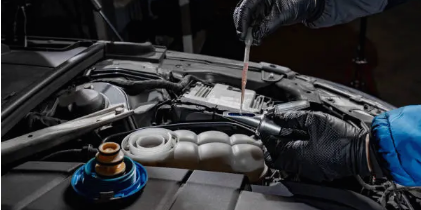
Brake fluid plays a vital role in transmitting pedal pressure to the braking components. However, in Adelaide’s changing temperatures, fluid can degrade over time — especially if moisture enters the system. Contaminated brake fluid lowers its boiling point, reducing braking efficiency or even causing complete failure under extreme heat.
Leaks from worn seals or hoses can also occur, often unnoticed until the brake pedal feels unusually soft. In some cases, drivers might observe fluid pooling beneath the car near the wheel wells or engine bay. These are serious warning signs that require immediate attention.
5. Unusual Noises and Vibrations: Early Warning Signs
Many Adelaide drivers first notice brake issues through sound and feel — such as squeaking, grinding, or pulsating sensations — when braking. While some minor noises can result from dust or debris, persistent or loud sounds typically indicate a deeper issue.
Squealing typically indicates worn brake pads, while grinding usually signifies metal-to-metal contact between the pads and rotors. Vibration or shuddering, on the other hand, can be traced back to uneven rotor wear or calliper misalignment. Neglecting these signs can lead to complete brake failure, especially during sudden stops or high-speed braking.
6. Preventive Maintenance: The Key to Safe Driving in Adelaide
The combination of Adelaide’s busy roads, varied terrain, and temperature shifts means preventive brake maintenance is essential rather than optional. Routine inspections — ideally every 10,000 kilometres or six months — help identify wear patterns, leaks, and other early warning signs before they escalate.
Drivers who regularly service their vehicles at trusted workshops enjoy smoother braking, improved safety, and greater long-term cost efficiency. Local brake specialists Adelaide providers also understand the unique driving demands of the region. They can recommend tailored solutions, from high-performance brake pads for hill driving to corrosion-resistant rotors suited for coastal conditions.
Conclusion
Brake problems are among the most common and critical issues affecting vehicles in Adelaide. From heat-induced pad wear to corrosion and fluid degradation, local driving conditions continuously challenge braking systems. The key to safety lies in vigilance and professional care.
By partnering with skilled brake specialists Adelaide motorists can ensure their vehicles remain reliable, responsive, and ready for the demands of city and hillside driving alike — keeping Adelaide’s roads safer for everyone.