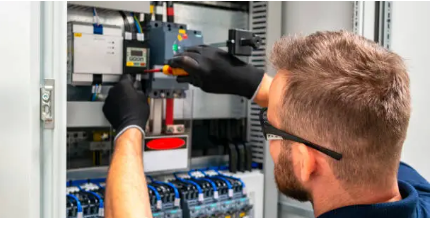
Electrical safety regulations in South Australia have tightened significantly in recent years, making compliance a critical issue for homeowners, landlords, and commercial property operators. In many cases, older properties require switchboard replacements or modernisation to meet current requirements. Understanding switchboard upgrades legal standards is essential, particularly in older suburbs where outdated fuse boxes are still common. In Adelaide, compliance enforcement and inspection practices are increasingly strict, and failure to upgrade can result in safety risks, insurance complications, and legal liability.
This article explains what property owners need to know about legal requirements, when upgrades are necessary, and how to ensure compliance with current regulations.
Why Switchboard Compliance Matters in Adelaide
Electrical switchboards act as the control hub for all power distribution in a building. When outdated, they may lack essential safety components such as RCDs (residual current devices), proper circuit separation, and overload protection.
Modern switchboard upgrades under legal standards in South Australia require systems to include adequate protection to prevent electrical shock, fire hazards, and system overloads. For landlords and business owners in Adelaide, non-compliance can also expose them to legal liability if electrical faults cause injury or property damage.
Older homes in suburbs like Norwood, Prospect, and Glenelg are particularly at risk due to legacy wiring systems still in operation.
Key Legal Requirements for Switchboard Upgrades
Under current South Australian electrical regulations, licensed electricians must ensure that any switchboard upgrade meets national wiring standards and state enforcement guidelines. These typically include:
● Mandatory installation of safety switches (RCDs) on all final circuits
● Proper labelling and circuit identification
● Adequate load capacity for modern appliances
● Fire-resistant enclosure standards
● Compliance with AS/NZS 3000 wiring rules
These switchboard upgrades legal standards are not optional; they are enforceable requirements under Australian electrical safety law.
In Adelaide, inspections may be triggered during property sales, rental compliance checks, or after major renovations. Electrical contractors are legally required to certify that upgrades meet all applicable codes before reconnection of the supply.
When You Need a Switchboard Upgrade
Many property owners are unaware that their switchboard is outdated until an issue arises.
Common indicators include:
● Ceramic fuses instead of circuit breakers
● Frequent tripping or power interruptions
● Lack of safety switches
● Burning smell or visible heat around the board
● No capacity for modern appliances like air conditioners or EV chargers
If any of these issues are present, the system likely does not meet switchboard upgrades legal standards.
In many older Adelaide homes, original electrical systems were never designed for today’s energy demands, making upgrades not just advisable but necessary.
Legal Risks of Non-Compliance
Ignoring outdated electrical infrastructure can have serious consequences. From a legal standpoint, non-compliant switchboards may affect:
● Home insurance claims (which may be denied if negligence is proven)
● Rental property obligations under South Australian tenancy law
● Liability in the event of electrical fire or injury
● Property sale disclosures and building inspections
Failure to meet switchboard upgrades legal standards can also result in penalties if a safety inspection reveals hazardous conditions.
For landlords in particular, maintaining compliance is not just recommended—it is a legal obligation tied to duty-of-care requirements.
The Upgrade Process Explained
A professional switchboard upgrade typically involves several stages:
1. Initial inspection – assessment of the existing electrical system
2. Load calculation – determining current and future power needs
3. Design compliance review – ensuring alignment with AS/NZS 3000
4. Installation – replacement of fuse box with modern switchboard
5. Testing and certification – final safety verification and compliance documentation
Throughout this process, electricians must ensure full adherence to switchboard upgrades legal standards to legally reconnect power.
In Adelaide, only licensed electrical contractors are permitted to perform this work, and certification is mandatory upon completion.
Costs and Considerations
The cost of a switchboard upgrade in Adelaide varies depending on the complexity of the property, the number of circuits, and the accessibility of the existing system. While prices differ, compliance should never be compromised for cost savings.
It is also important to consider future-ready electrical unfrastructure. Many modern upgrades include provisions for solar integration, smart home systems, and electric vehicle charging capacity. These additions help ensure ongoing alignment with switchboard upgrades, legal standards, and regulations as they continue to evolve.
Choosing a Qualified Electrician in Adelaide
Selecting the right professional is crucial for both safety and compliance. Look for:
● South Australian electrical contractor licence
● Experience with residential and commercial upgrades
● Familiarity with current Australian Standards
● Ability to provide compliance certificates
A qualified electrician ensures that all work meets switchboard upgrades legal standards, reducing risk and ensuring long-term safety performance.
Conclusion
Switchboard compliance is no longer optional in South Australia—it is a legal and safety necessity. With increasing regulatory enforcement in Adelaide, property owners must ensure their systems meet modern requirements to avoid risk, liability, and costly penalties.
Understanding and adhering to switchboard upgrades legal standards is essential whether you are renovating, managing a rental property, or maintaining an older home. Regular inspections and timely upgrades are the most effective way to ensure safety, compliance, and long-term electrical reliability.