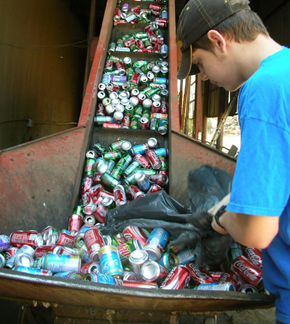
Adelaide’s coastline has fragile dune systems that protect beaches while supporting native coastal vegetation. Along areas such as Semaphore, Henley Beach and West Lakes, littered beverage containers can enter the waste stream and affect these environments. Can recycling Adelaide provide a practical way for schools, residents and volunteer groups to remove discarded cans before they reach sandy coastal areas.
When organised as local collection drives, these efforts can also build environmental awareness and encourage responsible waste handling. Supporting community collection and recycling, and coastal dune conservation, connects everyday recycling habits to protecting Adelaide’s coastal landscapes.
Why Coastal Dunes Need Protection
Coastal dunes are dynamic environments shaped by wind, waves and vegetation. Their sandy soils can be vulnerable to disturbance, particularly where repeated foot traffic, litter and other human activities damage plants that help stabilise the surface.
Native coastal plants play an important role in holding sand in place. Removing rubbish from these areas helps keep the landscape cleaner while reducing the chance that waste becomes buried, blown into vegetation or transported toward the Gulf St Vincent shoreline.
For local communities, can collection and recycling is a straightforward activity that can complement broader dune rehabilitation programs.
How Community Can Drives Help
School groups, sporting clubs and neighbourhood volunteers can organise collection days around suitable public areas, focusing on safe litter removal rather than entering protected or unstable dune zones.
Collected cans can then be separated from general rubbish and directed into appropriate recycling or container-deposit channels where available. South Australia’s container deposit scheme provides a financial incentive for eligible drink containers and gives communities a practical reason to keep recyclable materials out of the general waste stream.
Practical Steps for Local Groups
A community collection drive can include:
● Choosing approved public areas and checking local council requirements.
● Providing gloves, collection bags and suitable containers.
● Separating beverage cans from other litter where practical.
● Keeping volunteers away from unstable dunes and sensitive vegetation.
● Recording collected materials without disturbing plants or wildlife.
● Delivering eligible containers through an appropriate recycling or refund pathway.
These simple measures make community can collection and recycling for coastal dune conservation a practical environmental activity, not a one-off clean-up.
Connecting Recycling With Dune Rehabilitation
Recycling alone does not restore a damaged dune. Rehabilitation may involve protecting vegetation, controlling access, and supporting natural sand movement, guided by councils or coastal management authorities.
However, removing cans and other litter can support these efforts by keeping waste out of sensitive areas. It also gives students and volunteers a visible way to understand how waste management connects with local ecological protection.
For Adelaide communities, this connection is particularly useful because coastal recreation, residential areas, and environmentally sensitive landscapes can coexist in proximity.
Building Long-Term Community Participation
The most effective collection programs can become recurring activities rather than isolated events. Schools might incorporate collection drives into environmental education, while community groups can coordinate clean-up days with existing coastal care initiatives.
Clear safety rules are important. Volunteers should avoid disturbing native plants, wildlife habitat, or dune structures, and handle potentially hazardous items according to council or waste-management guidance.
Conclusion
Can collection and recycling gives Adelaide residents a practical way to reduce beverage-container litter while supporting cleaner coastal environments. Around Semaphore, Henley Beach and West Lakes, responsible collection activities can complement wider efforts to protect sandy coastal landscapes and native vegetation.
Community groups can make a difference by organising safe, regular collection drives and ensuring that the cans collected reach appropriate recycling pathways. Get your school, club or neighbourhood involved in a local can collection drive and help keep Adelaide’s coastal areas cleaner and better protected.
—
Frequently Asked Questions
1. How does can collection support coastal conservation?
Collecting discarded cans removes litter from coastal areas and directs recyclable materials into appropriate waste-management pathways.
2. Can schools organise coastal can collection drives?
Yes. Schools can organise supervised collection activities, provided they comply with relevant council, site-access, and volunteer safety requirements.
3. Why are coastal dunes important?
Dunes form part of the coastal environment, provide habitat for native vegetation, and help shape and protect sandy shorelines.
4. Where can Adelaide residents recycle eligible drink cans?
Eligible containers can generally be taken through South Australia’s container deposit scheme and other approved recycling pathways.
5. Should volunteers enter dune vegetation to collect cans?
No. Volunteers should avoid trampling native plants or disturbing sensitive dune areas. Collection activities should focus on safe, accessible locations.