One company may quote a few hundred dollars, while another charges several thousand for what appears to be the same job. Understanding tree removal Adelaide Hills pricing can be confusing for homeowners, especially when quotes vary widely between arborists. The difference lies in how arborists assess risk, access, equipment requirements, and compliance obligations before any cutting begins.
This article breaks down the key factors that influence tree removal costs in the Adelaide Hills region of South Australia and explains how professional arborists calculate pricing. It also outlines safe, practical ways to reduce costs without compromising safety or legality.
What Determines Tree Removal Costs in the Adelaide Hills?
Tree removal is not a flat-rate service. In fact, arborists treat every job as a site-specific risk assessment. In the Adelaide Hills—known for steep terrain, bushfire exposure, and mature native trees—pricing reflects both complexity and safety requirements.
1. Tree Size and Height
The most significant cost driver is the tree’s size. Larger trees require more labour, longer rigging time, and often specialised climbing techniques or machinery.
● Small trees (under 5m): minimal equipment, lower cost
● Medium trees (5–15m): moderate climbing and cutting complexity
● Large trees (15m+): high-risk dismantling, crane or elevated work platforms may be required
The taller and wider the canopy, the more time and safety controls are required, which increases the overall cost of tree removal services in the Adelaide Hills.
2. Location and Site Accessibility
Where the tree is located can dramatically change the quote. Trees in open backyards are far easier to remove than those positioned near homes, fences, powerlines, or narrow access points.
In the Adelaide Hills, many properties are sloped or heavily vegetated, meaning arborists may need:
● Rope rigging systems to lower branches safely
● Small machinery or stump grinders for limited access
● Manual dismantling instead of mechanical removal
Difficult access increases labour hours and equipment costs, which are major components of pricing.
3. Risk Level and Structural Condition
Tree health and stability are critical factors. A healthy tree is often easier to dismantle in controlled sections, while a dead, diseased, or storm-damaged tree may behave unpredictably.
High-risk scenarios include:
● Trees leaning toward structures
● Hollow trunks or internal decay
● Storm-damaged limbs under tension
● Proximity to power infrastructure
Higher risk means more safety personnel, stricter controls, and potentially emergency response pricing.
Equipment Requirements and Labour Intensity
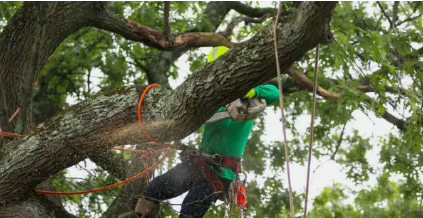
Arborists don’t just “cut down trees”—they engineer a controlled dismantling process. Equipment choices heavily influence cost.
Common equipment used includes:
● Chainsaws and pole saws
● Climbing harness systems
● Rigging ropes and pulleys
● Wood chippers for debris processing
● Stump grinders for below-ground removal
● Cranes or elevated platforms for large trees
The more specialised the equipment, the higher the operational cost. In remote or sloped Adelaide Hills properties, additional machinery transport may also be required, further increasing the final price.
At this stage, professional tree removal Adelaide Hills providers are also factoring in labour coordination—often a team rather than a single arborist is needed for safe execution.
Permits, Regulations, and Council Requirements
In South Australia, tree removal is sometimes regulated by local council rules, particularly for significant trees or native species. Homeowners may need approval before removal, depending on:
● Tree trunk circumference
● Species protection status
● Heritage or environmental overlays
● Property zoning restrictions
Failure to comply can result in fines or legal complications. Arborists often factor permit processing time and compliance checks into their pricing, especially for regulated removals in the Adelaide Hills Council region.
Emergency vs Scheduled Tree Removal
Timing also affects cost. Emergency removals—such as trees fallen during storms or posing immediate danger—are typically more expensive due to:
● After-hours callouts
● Urgent mobilisation of crews
● Higher safety risk conditions (wind, rain, instability)
Scheduled removals allow arborists to plan equipment, crew sizes, and traffic management efficiently, which usually reduces overall cost.
How to Save Money Safely on Tree Removal
While tree removal is a skilled trade that should not be cut-rate, there are safe and legitimate ways to reduce costs.
1. Get Multiple Detailed Quotes
Always compare at least two or three written assessments. Ensure quotes include:
● Waste removal
● Stump grinding
● Access considerations
● Risk assessment notes
This helps avoid hidden costs.
2. Combine Jobs
If you have multiple trees or additional landscaping work, bundling services can reduce labour mobilisation fees.
3. Improve Site Access (If Safe)
Clearing pathways, removing small obstacles, or providing gate access can significantly reduce labour time.
4. Schedule Outside Emergency Conditions
If the tree is not hazardous, plan removal during standard operating hours rather than urgent callouts.
5. Keep Stump Grinding Optional
Some homeowners skip stump grinding to reduce upfront costs, although this may limit future landscaping options.
These strategies can make tree removal Adelaide Hills services more affordable without compromising safety or compliance.
Why Professional Assessment Matters
Attempting DIY tree removal is strongly discouraged, especially in the Adelaide Hills, where terrain, wind exposure, and native vegetation increase hazards. Professional arborists don’t just cut trees—they evaluate structural integrity, fall direction, and environmental impact before any work begins.
A proper assessment ensures:
● Controlled dismantling instead of uncontrolled falling
● Protection of nearby structures and utilities
● Compliance with local regulations
● Reduced risk of injury or property damage
Ultimately, professional pricing reflects not just labour, but expertise, insurance coverage, and safety systems.
Final Thoughts
Tree removal costs are influenced by far more than just tree size. Location, risk level, equipment needs, and council requirements all play a major role in determining final pricing. In regions like the Adelaide Hills, where terrain and vegetation add complexity, understanding these factors helps homeowners make informed decisions.
When evaluating tree removal Adelaide Hills, the cheapest quote is not always the safest or most cost-effective. A qualified arborist provides not only removal services but also risk mitigation, regulatory compliance, and long-term property protection—making professional assessment a worthwhile investment.