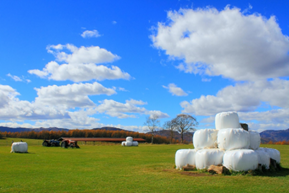
Wrapping and storing bales on ironstone-rich gravel can create a hidden risk for Australian farmers. Lateritic and ferruginous soils found around the WA Goldfields and Wheatbelt fringe contain hard, abrasive gravel that can damage the lower layers of film during handling, transport and storage. Choosing the right bale wrap Australia product is therefore only part of the solution.
Wrapping technique, bale placement and site preparation also matter. For producers working across Western Australia’s mixed-farming and pasture regions, understanding how abrasive ground conditions affect agricultural stretch film can help reduce punctures, tears, and unnecessary feed losses.
Why Ferruginous Gravel Damages Bale Wrap
Ferruginous gravel contains iron-rich stones and hardened lateritic material. When a wrapped bale is dropped, rolled or dragged across this surface, individual stones can concentrate pressure against the film.
The bottom layers are particularly exposed. A sharp stone can puncture several layers, while friction from moving a bale across gravel can create a tear that spreads through the film.
This makes high-tear-resistance bale wrap an important consideration for producers handling bales in areas where clean, grass-covered storage sites are not always available.
Choosing Bale Wrap for Abrasive Conditions
Not all agricultural stretch films provide the same balance of puncture resistance, elasticity and tear strength. When buying bale wrap Australia products for challenging storage conditions, consider the film’s mechanical performance and its ability to maintain a tight seal around the bale.
Look for Strong Puncture and Tear Resistance
A robust film should withstand contact with bale edges and stems, as well as incidental impacts during wrapping. High-tear-resistance bale wrap can also help prevent a small puncture from rapidly developing into a larger split during handling.
Other useful characteristics include:
● Consistent film thickness across the roll
● Reliable stretch performance during wrapping
● Good cling between overlapping layers
● Resistance to punctures from rough bale surfaces
● Suitable UV protection for the intended storage period
Film selection should match the baler, wrapper, bale type and expected storage conditions rather than relying on gauge alone.
Reduce Ground Contact During Handling
Even the best film can be damaged by sharp gravel if wrapped bales are repeatedly dragged across the ground. Operators should avoid pulling bales sideways with machinery wherever possible.
Use bale grabs or other handling equipment that supports controlled movement. When placing bales, lower them carefully instead of dropping them onto hard surfaces.
For longer-term storage, consider preparing a dedicated area with a less abrasive base. A firm grassed area, a suitably compacted surface or other site-specific solution can reduce direct contact between the plastic and sharp stones.
Inspect Wrapped Bales Before Storage
A quick inspection after wrapping can identify damage before it becomes a larger problem. Check the lower section of each bale for visible punctures, scuffing and stretched or separated film.
Pay particular attention after loading or relocating bales. If a tear is found, repair it promptly with silage film repair tape designed for agricultural plastic rather than leaving the damaged area exposed.
Good handling practices allow bale wrap Australia products to perform as intended while reducing the chance of oxygen or moisture entering through damaged film.
Storage Planning Matters
Where ferruginous gravel is unavoidable, arrange bales to minimise repeated handling. Moving a wrapped bale several times increases the opportunities for abrasion and puncture.
Keep the storage area free of protruding stones, scrap metal and other sharp debris. Drainage is also important because standing water can complicate bale handling and contribute to poor storage conditions.
Protect Bales from the Ground Up
Ferruginous gravel around the WA Goldfields and Wheatbelt fringe presents a practical challenge, but careful film selection and handling can substantially reduce avoidable damage. Choosing high-tear-resistance bale wrap, limiting dragging, and preparing a suitable storage surface all work together to protect the wrapped bale.
When sourcing bale wrap Australia products for abrasive Western Australian conditions, discuss your bale type, wrapper settings and storage environment with your agricultural film supplier. The right combination can help maintain film integrity from wrapping through storage and eventual feeding.
________________________________________
Frequently Asked Questions
1. Why is ferruginous gravel a problem for bale wrap?
Iron-rich gravel can contain hard, sharp stones that puncture or abrade film, particularly when bales are dropped, dragged or repeatedly moved.
2. What is high tear resistance bale wrap?
It is an agricultural stretch film designed to resist tears spreading after punctures or mechanical stress.
3. Can bale wrap be stored directly on gravel?
Yes, but direct contact with sharp gravel increases the risk of damage. Where practical, prepare a smoother storage surface.
4. How can farmers reduce bale wrap damage?
Use suitable film, avoid dragging bales, remove sharp debris from storage areas and inspect the film after wrapping and handling.
5. Is thicker bale wrap always better for gravel?
Not necessarily. Film thickness is only one factor. Stretch performance, puncture resistance, tear strength and wrapping conditions should all be considered.