Pregnancy and childbirth can change how your abdominal wall and pelvic floor function, even when recovery seems to be going well. One common concern is diastasis recti, where the connective tissue between the abdominal muscles stretches, and the muscles sit further apart.
If you have abdominal weakness, pelvic discomfort, leakage, or difficulty returning to exercise, seeing a qualified physio can provide personalised guidance. In Payneham, SA, a pelvic health assessment can help identify what your body needs after pregnancy and create a safe, progressive plan to rebuild strength, coordination, and confidence.
What Is Diastasis Recti?
Diastasis recti, also called abdominal separation, occurs when the two sides of the rectus abdominis move further apart as the abdominal wall stretches during pregnancy. Some separation is common during pregnancy and the early postnatal period, and the abdominal wall may gradually change as tissues recover.
You may notice:
● A visible bulge or “doming” along the middle of your abdomen
● Reduced abdominal strength or control
● Difficulty engaging your core effectively
● Lower back or pelvic discomfort
● Changes in how you lift, bend or exercise
The size of the gap is not the only consideration. A womens health physio will also assess how your abdominal wall functions during movement, breathing and everyday activities.
How Physio Can Support Postpartum Recovery
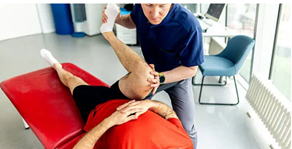
A postnatal physio assessment looks beyond the appearance of your stomach. Your clinician may assess abdominal wall function, pelvic floor muscle contraction and relaxation, posture, breathing patterns and movement strategies. Treatment can then be tailored to your symptoms, stage of recovery and personal goals.
Rather than prescribing the same exercises to every new mother, a pelvic health clinician can gradually progress your program. This may include deep abdominal activation, functional strengthening, pelvic floor exercises, and guidance on safely returning to activities such as walking, gym training, or running.
Understanding the Pelvic Floor Connection
Your abdominal muscles and pelvic floor form part of your body’s core support system. Pregnancy and birth can affect pelvic floor function, potentially contributing to symptoms such as urinary leakage, bowel difficulties, pelvic pressure or discomfort.
This is where postpartum pelvic floor rehab can be valuable. A qualified clinician can check whether your pelvic floor muscles need strengthening, improved coordination or better relaxation. Supervised pelvic floor training should be individualised, not based on a one-size-fits-all routine.
When Should You Seek Help?
You do not need to wait until symptoms become severe. Consider booking an assessment if you notice:
● Persistent abdominal weakness or visible doming
● Urinary or bowel leakage
● Pelvic heaviness or pressure
● Pain during exercise or daily activities
● Ongoing pelvic, hip or lower back pain
● Difficulty returning to your previous level of physical activity
A physio can also provide practical advice on lifting your baby, getting out of bed, progressing your exercise, and managing movements that increase abdominal pressure.
Rebuilding Strength Safely in Payneham
Postpartum recovery is not about rushing back to your pre-pregnancy body. It is about restoring function progressively and giving healing tissues time to adapt. Local women in Payneham and surrounding Adelaide suburbs can seek an experienced womens health physio for assessment and individualised physical rehabilitation.
If abdominal separation or pelvic floor symptoms are affecting your confidence or daily life, professional guidance can make your recovery more structured and manageable.
Take the Next Step
You do not have to “wait and see” whether postpartum abdominal or pelvic symptoms improve. Book an assessment with a qualified physio in Payneham, SA, discuss your concerns and receive a personalised recovery plan designed around your body, symptoms and goals.
Conclusion
Diastasis recti can be a normal part of pregnancy and early postpartum recovery, but persistent weakness, pain, pelvic floor symptoms or difficulty returning to activity deserve attention. With appropriate assessment and progressive postpartum pelvic floor rehab, physiotherapy can help you rebuild core and pelvic function safely and confidently.
—
Frequently Asked Questions
1. What is diastasis recti?
Diastasis recti is a widening and thinning of the connective tissue between the abdominal muscles, commonly occurring as the abdomen stretches during pregnancy.
2. Can physiotherapy help with abdominal separation?
Yes. A qualified physio can assess abdominal wall function and prescribe an individualised exercise and movement program to improve strength and control.
3. When should I start postpartum pelvic floor rehab?
The appropriate timing depends on your delivery, healing and symptoms. A pelvic health clinician can help determine when and how to begin or progress rehabilitation.
4. Do I need physio if I have no pain?
Not necessarily, but an assessment can still be useful if you notice weakness, abdominal doming, leakage, pelvic pressure or difficulty returning to exercise.
5. Can I exercise with diastasis recti?
Many women can return to exercise progressively, but activities that cause pain or pronounced abdominal bulging may need modification. A qualified physio can guide your progression safely.