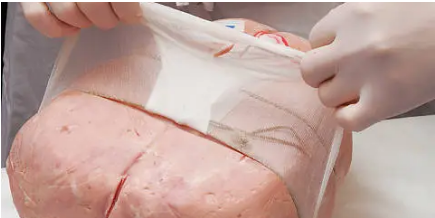
Stockinette bags are a widely used packaging solution across Australia’s agriculture, horticulture, and retail supply chains, especially for onions, citrus, potatoes, and shellfish. As demand for efficient, breathable, and cost-effective packaging continues to grow, stockinette bags have become a practical standard for both large-scale producers and small farm operators seeking to maintain product freshness during transport and storage.
In Australia’s competitive fresh produce market, packaging plays a crucial role not only in preservation but also in branding and logistics efficiency. Understanding how these mesh-based bags work, where to source them, and how to select the right specifications can significantly improve supply chain outcomes for growers and distributors.
What Stockinette Bags Are and Why They Matter in Australia
In simple terms, stockinette bags are tubular mesh bags made from knitted polypropylene or similar synthetic fibres. Their breathable structure allows air circulation while still securely containing bulk produce.
In Australia, they are particularly valued in regions with strong agricultural output such as Victoria, New South Wales, and Queensland, where growers need durable packaging that withstands long-distance transport and variable climate conditions. At this stage of the supply chain, stockinette bags are often preferred over solid plastic packaging because they reduce moisture buildup and help prevent premature spoilage of fresh goods.
Their lightweight nature also reduces freight costs, which is a key consideration for exporters shipping produce from Australia to Asian and Middle Eastern markets.
Key Benefits for Agricultural and Retail Use
One of the main advantages of stockinette packaging is its balance between strength and ventilation. Unlike sealed plastic bags, the mesh structure allows natural airflow, which is essential for preventing heat accumulation in bulk storage.
Another benefit is flexibility in sizing. Stockinette bags can accommodate small retail portions or large commercial loads depending on the weave density and diameter. Many Australian wholesalers also prefer them because they are cost-effective when purchased in bulk.
In addition, they are easy to label or clip-seal, making sorting and distribution more efficient in large packing facilities. These operational advantages explain why stockinette bags continue to be a staple in both domestic produce markets and export supply chains.
Common Uses Across Australian Industries
Stockinette bags are not limited to agriculture alone. While fresh produce remains the primary application, they are also widely used in seafood processing, firewood packaging, and even hardware distribution.
In the seafood industry around coastal Australia, the mesh design allows live shellfish, such as mussels and oysters, to remain aerated during transport. In rural areas, firewood suppliers use them for convenient bundling and resale.
Because of this versatility, stockinette bags have become a multi-industry packaging solution rather than a niche agricultural product. Their adaptability across sectors has increased demand among packaging distributors and wholesale suppliers nationwide.
Sizing, Materials, and Customisation Options
Choosing the correct size is critical for efficiency. In Australia, stockinette bags typically range from small 2–5 kg retail sizes to larger 20–25 kg bulk formats.
Material choice is equally important. Most suppliers use high-density polypropylene for durability, but variations exist depending on UV resistance requirements and load strength. Some exporters opt for reinforced stitching or double-layer mesh when dealing with heavier goods.
Customisation is also widely available. Businesses can request colour-coded bags, printed branding, or drawstring closures for easier handling. These options are especially useful for companies looking to improve product visibility in competitive retail environments.
Where to Source Stockinette Bags in Australia
Australian businesses typically source stockinette packaging from agricultural supply companies, wholesale packaging distributors, and importers specialising in industrial packaging materials.
Major agricultural regions such as Melbourne’s wholesale markets, Sydney produce hubs, and Brisbane distribution centres often have local suppliers offering both standard and custom orders.
Online B2B platforms have also become a popular procurement channel, enabling farms and distributors to quickly compare pricing and specifications. As logistics become more digitised, sourcing stockinette bags through online wholesale suppliers has become increasingly efficient for rural and regional operators.
Sustainability and Industry Trends
Sustainability is becoming a major focus in Australian packaging decisions. While traditional plastic-based mesh materials are still widely used, there is growing interest in recyclable and lower-impact alternatives.
Some suppliers now offer recyclable polypropylene options or bags designed for multiple reuse cycles, reducing overall environmental footprint. This shift aligns with broader Australian packaging regulations encouraging waste reduction and improved recyclability.
As retailers and exporters face stricter environmental expectations, stockinette bags are evolving to meet both performance and sustainability standards without sacrificing durability or cost efficiency.
Practical Buying Tips for Businesses
When purchasing stockinette packaging, businesses should first assess their load requirements, including weight, product type, and transport distance. Over-specifying strength can unnecessarily increase costs, while under-specifying may lead to product loss.
It is also important to consider supplier reliability, particularly for exporters who need consistent stock availability. Establishing long-term agreements with trusted distributors can help stabilise pricing and ensure uninterrupted supply.
Finally, always test sample batches before committing to bulk orders, as mesh density and material strength can vary between manufacturers.
Conclusion
The demand for flexible, breathable, and cost-efficient packaging continues to drive the widespread use of stockinette-based solutions across Australian industries. From agriculture to seafood and beyond, these mesh bags offer a reliable balance of functionality and affordability.
As supply chains become more efficiency-driven and sustainability-focused, stockinette bags are expected to remain a core packaging solution for businesses seeking practical and scalable options for bulk product handling.