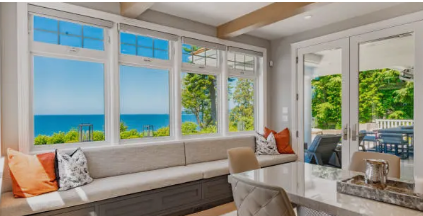
What if the reason your family rarely eats together isn’t the food, the schedule, or even the size of your kitchen—but the furniture? In Adelaide homes, where open-plan kitchens and living areas are increasingly central to daily life, banquette seating can do more than solve an awkward corner. It can subtly change where people sit, how long they stay, and how they interact with the rest of the house.
Unlike a conventional dining table surrounded by individual chairs, a built-in or freestanding banquette can transform an overlooked nook into a destination. Suddenly, the kitchen becomes the place where homework happens, coffee is enjoyed, conversations continue after dinner, and weekend breakfasts stretch well into the morning.
The surprising part is that this furniture upgrade may influence your family’s behaviour far beyond the dining area.
The Dining Nook That Becomes the Household’s New Headquarters
A dining table often has a single purpose: eating. A well-designed banquette, however, can make the same footprint considerably more versatile.
This is particularly relevant to Adelaide households where space needs to work harder. Whether you live in a compact character home in Norwood, a renovated bungalow in Unley, or a contemporary property in the western suburbs, an underused corner can become one of the most valuable areas in the house.
● It creates a natural gathering point: A comfortable bench encourages people to linger instead of immediately leaving the table after a meal.
● It supports multiple daily activities: The same seating area can accommodate breakfast, laptop work, children’s homework, reading, or casual conversations.
● It makes awkward spaces useful: Corners, bay windows, and narrow kitchen edges can often be transformed into functional zones rather than wasted space.
Imagine a family that used to eat dinner separately. One person sat at the island, another ate in front of the television, and the children rushed through meals. After redesigning an unused kitchen corner with a generous banquette and compact table, the family suddenly had a more inviting place to gather.
The furniture did not force anyone to change their habits. It simply made the desired behaviour easier.
Why Comfort Can Change How Your Family Connects
A dining area that feels temporary differs psychologically from one that feels deliberately designed. When people are comfortable, they are more likely to stay.
This is where banquette seating becomes more than an interior kitchen design trend. With the right upholstery, cushioning, back support, and dimensions, a banquette can make the dining environment feel more like a lounge than a formal dining area.
That distinction matters in busy Adelaide households.
● Longer meals can encourage conversation: A comfortable setting may make family dinners feel less like a task and more like shared downtime.
● Children gain a flexible activity zone: The dining nook can become a place for drawing, reading, board games, or schoolwork between meals.
● Guests naturally gather in one area: Instead of conversations becoming fragmented across the kitchen and living room, the dining zone can become a social anchor.
The design also creates an interesting visual effect. A banquette can make a dining space feel more integrated with the architecture, particularly when it follows a wall or wraps around a corner.
Instead of looking like furniture placed in a room, it can look like part of the room itself.
The Adelaide Climate Makes Material Choices Matter
A beautiful dining nook is only successful if it survives real life. Adelaide’s hot summers, bright sunlight, and busy household routines mean you should treat material selection as a practical decision, not an afterthought.
For homes with strong afternoon sun, consider how direct light may affect upholstery and finishes over time. A window-side dining nook can look spectacular, but select fabrics and colours with sunlight exposure in mind.
● Choose durable upholstery: Look for fabrics that can withstand regular use, particularly if children or pets are part of the household.
● Consider cleanability: Removable covers, stain-resistant treatments, and practical fabric choices can make everyday maintenance considerably easier.
● Think about ventilation and placement: Avoid creating a seating arrangement that traps excessive heat near sunny windows during Adelaide’s warmer months.
The ideal design should also account for how people actually move through the kitchen. A visually impressive banquette that blocks a walkway or interferes with cupboard doors will quickly become frustrating.
Before committing to dimensions, measure the table, seating depth, legroom, and circulation paths. The goal is not simply to fit more people into a smaller footprint. It is to create a space that feels effortless to use.
The Hidden Opportunity: Designing for the Life You Want
The most unconventional benefit of banquette seating is that it can encourage homeowners to think differently about their entire floor plan.
Instead of asking, “How can I fit a dining table here?” consider asking, “What do I want my family to do here?”
That change in perspective can lead to surprisingly different decisions.
● If you want more family interaction, position the seating so it visually connects with the kitchen or main living space.
● If you work from home: Incorporate a durable surface and accessible power points so the area can double as a casual workstation.
● If you entertain frequently: Consider an L-shaped or U-shaped arrangement that maximises seating without requiring a large dining footprint.
The result could be a dining area that does far more than accommodate meals. It might become the place where teenagers do assignments, parents answer emails, friends share a bottle of wine, or everyone gathers for Sunday lunch.
The furniture becomes a quiet piece of behavioural architecture.
The Small Furniture Decision With a Bigger Impact
For Adelaide homeowners, the appeal of banquette seating is not simply about saving floor space or creating a stylish kitchen. Its real potential lies in changing how a household interacts with its environment.
A forgotten corner can become a gathering place. A formal dining area can become a homework station. A kitchen can become the home’s true social centre.
The next step is to look at your own house with fresh eyes. Identify the space your family currently avoids or underuses, then measure it carefully and consider what you want to do with it. Before choosing fabrics or finishes, talk to a professional designer, cabinetmaker, or upholstery specialist about the dimensions, materials, and construction that will suit your lifestyle.
The best dining upgrade may not be the one that makes your home look dramatically different. It may be the one that quietly makes everyone want to spend more time in it.