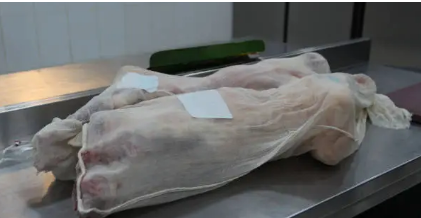
In Australia’s agricultural and food distribution sectors, packaging plays a critical role in protecting product quality, reducing waste, and ensuring efficient transport across long distances. From fruit growers in Victoria to meat processors in Queensland and wholesale distributors in Western Australia, the demand for reliable packaging continues to grow. One solution that consistently stands out is durable stockinette bags, which are widely used for their flexibility, breathability, and strength in handling fresh produce and processed goods.
Durable stockinette bags are especially valued in environments where airflow and product protection must be balanced. Their mesh-like structure helps reduce moisture buildup while still providing enough containment to protect goods during storage and transport. In Australia’s climate—where heat and humidity can vary significantly—this balance is essential for maintaining freshness and minimising spoilage.
Understanding Stockinette Bags in the Australian Context
Stockinette bags are typically made from knitted polyethylene or polypropylene materials, designed to stretch and conform to the shape of their contents. In Australia, they are commonly used across agriculture, fisheries, meat processing, and even retail produce supply chains.
What makes them particularly useful is their adaptability. Whether used for packing onions in South Australia, citrus in New South Wales, or shellfish in coastal regions, stockinette bags provide a lightweight yet resilient packaging option. Their open-weave structure ensures ventilation, which is crucial for perishable goods that require airflow to remain fresh during transport.
Beyond agriculture, Australian industries also rely on them for sorting, storing, and bundling products in warehouses and logistics hubs. Their low cost and reusability make them a practical choice for businesses looking to optimise operational efficiency without compromising on product protection.
Key Benefits of Using Stockinette Bags in Australia
One of the primary advantages of durable stockinette bags is their ability to withstand heavy loads without tearing easily. This is particularly important in Australian agricultural supply chains where produce is often transported over long distances—from rural farms to urban distribution centres.
Another benefit is breathability. Unlike sealed plastic packaging, stockinette bags allow air circulation, helping reduce condensation and prevent premature spoilage. This is especially important in hot Australian climates, where trapped moisture can quickly degrade produce quality.
Additionally, stockinette bags are highly cost-effective. Their lightweight construction reduces shipping weight, helping lower transportation costs. They are also easy to handle, stack, and store, making them efficient for high-volume operations.
Sustainability is another growing consideration in Australia. Many suppliers are now offering recyclable or reusable versions of stockinette bags, aligning with industry efforts to reduce environmental impact and improve packaging circularity.
Applications Across Agriculture and Food Industries
Across Australia, stockinette bags are used in a wide variety of applications. In horticulture, they are commonly used for onions, potatoes, garlic, and citrus fruits. These crops benefit from the ventilation provided by the mesh structure, which helps maintain freshness from harvest to market.
In the seafood and meat industries, stockinette bags are used to bundle and store products during processing and distribution. Their flexibility allows them to conform securely around irregular shapes, ensuring stability during handling.
Retail and wholesale markets also rely on them for packaging bulk goods. Supermarkets and fresh produce suppliers often use them as part of their back-end logistics systems to streamline sorting and transportation processes.
The versatility of durable stockinette bags makes them a practical solution across multiple sectors, particularly in Australia, where agricultural diversity demands flexible packaging solutions that can adapt to different product types and environmental conditions.
Choosing the Right Stockinette Bags for Your Business
Selecting the right stockinette bags depends on several factors, including material strength, mesh size, and load capacity. In Australia, businesses often choose between fine mesh options for smaller produce and heavier-grade stockinette for bulk agricultural products.
Colour coding is another consideration. Many suppliers offer different colours to assist with product identification and inventory management. This is particularly useful in large-scale operations where efficiency and accuracy are essential.
Durability should always be a priority. Lower-quality bags may tear under pressure or degrade quickly under exposure to heat and moisture. Investing in higher-grade durable stockinette bags can significantly reduce product loss and improve overall supply chain efficiency.
Businesses should also consider supplier reliability. In Australia’s competitive agricultural sector, consistent availability of packaging materials is essential to avoid disruptions during peak harvest seasons.
Environmental Considerations and Future Trends
Sustainability is becoming increasingly important in Australia’s packaging industry. Many companies are shifting toward recyclable and reusable materials to reduce environmental impact. Stockinette bags are evolving alongside this trend, with manufacturers developing eco-friendlier versions that maintain strength while improving recyclability.
There is also growing interest in biodegradable alternatives and hybrid materials that combine durability with reduced environmental footprint. As Australian regulations around packaging waste continue to tighten, the demand for more sustainable solutions is expected to increase.
Digital supply chain tracking is another emerging trend. Some businesses are integrating packaging systems with tracking technologies to improve logistics transparency and reduce waste. Stockinette bags, due to their simplicity and versatility, are likely to remain a key component even as these innovations evolve.
Conclusion: The Role of Stockinette Bags in Modern Australian Industry
In conclusion, stockinette bags remain an essential packaging solution across Australia’s agriculture and food industries. Their balance of durability, breathability, and cost-effectiveness makes them highly suitable for a wide range of applications, from farm to retail distribution.
As demand for efficient and sustainable packaging continues to grow, durable stockinette bags will remain central to supporting Australia’s supply chains. Businesses that invest in high-quality options are better positioned to reduce waste, improve product quality, and enhance operational efficiency in an increasingly competitive market.